How to Combine Classic Furniture with Modern Designs?
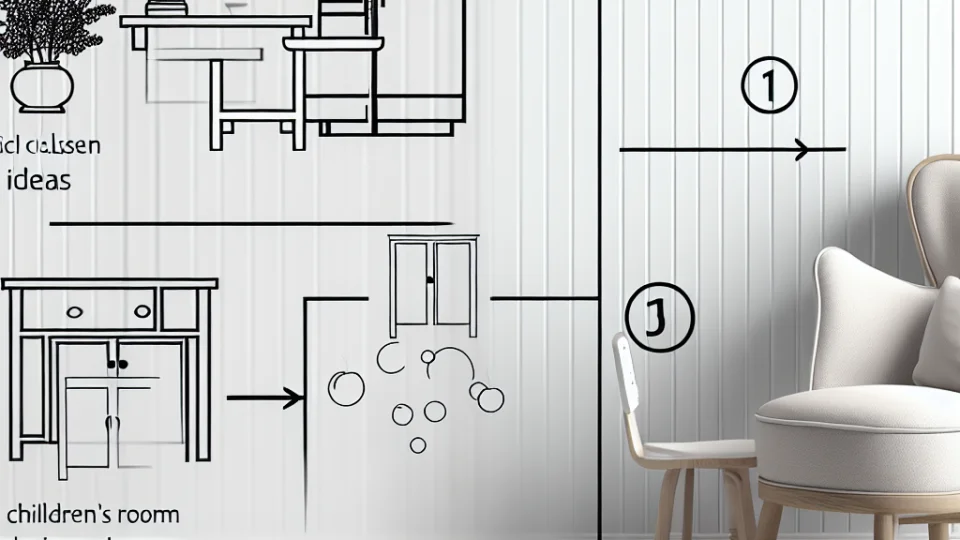
Classic furniture has stood the test of time and has become an essential part of many homes. However, when combined with modern design concepts, these pieces can truly create a unique aesthetic. The rich details and heavy structures of classic furniture, when merged with the simple and minimalist elements of modern design, result in spaces that are both stunning and functional. This combination transforms the atmosphere of every area in the home, prioritizing both comfort and elegance.
Using colorful accessories is an effective method for blending classic furniture with modern designs. For instance, placing a modern painting or frame on top of a classic console can add a dynamic vibe to the room. Additionally, using modern lighting in areas with classic furniture can change the atmosphere of the space and offer a more contemporary look. Lighting becomes an important part of the overall design, acting as a bridge between classic and modern elements.
The combination of classic and modern design not only creates contrast but also helps the space gain depth. For example, using modern chairs around a classic dining table provides a rich environment in terms of both comfort and aesthetics. Such combinations not only impress your guests but also add elegance to your daily life. Completing your classic furniture with modern elements allows you to create a design that reflects the spirit of your home.
In conclusion, merging classic furniture with modern designs is a creative process that offers many different approaches. By blending classic elements with modern touches, you can create a space that is both warm and contemporary. This design philosophy adds both elegance and character to your home while also reflecting your personal tastes. Making such a transition in your interior spaces can help you create a peaceful living area by bringing together aesthetics and functionality.
What Are the Tips for Functional and Stylish Kitchen Design?
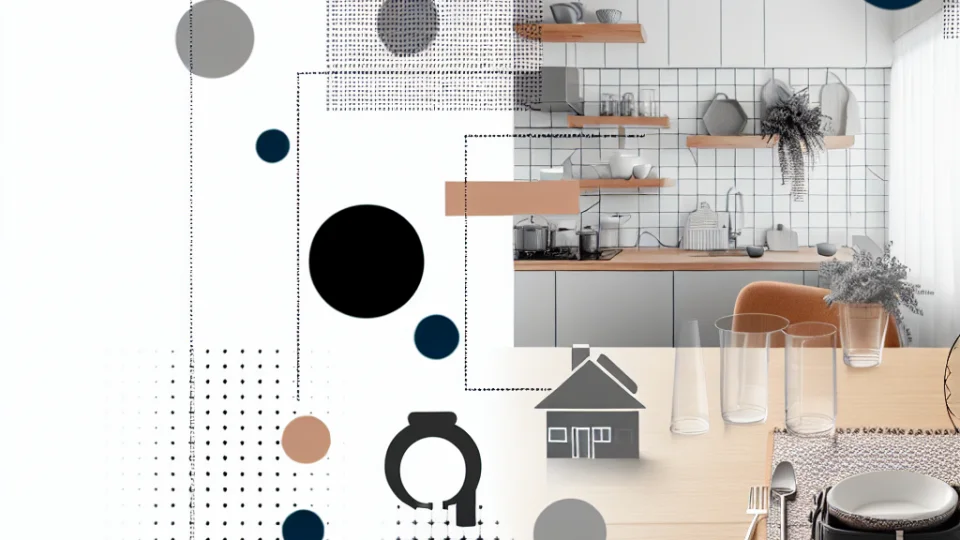
In kitchen design, the combination of functionality and aesthetic elements has become an indispensable part of modern living. Kitchens planned to meet the needs of users are not only used for cooking but also serve as a social space. Therefore, the functionality of every element in the kitchen should be prioritized. For example, open shelf systems provide both visual aesthetics and easy access. Such designs make the kitchen space appear larger while also ensuring ease of use.
Color choices in the kitchen also play an important role. Light tones make the space look more spacious, while dark tones can create a warm atmosphere. The harmony of colors used in the kitchen can affect both the visual appeal and the mood. Additionally, the quality of materials used in the kitchen will enhance functionality. For instance, surfaces that are easy to clean and waterproof materials are essential for creating a long-lasting and aesthetic kitchen.
The selection of furniture in the kitchen is another important factor that enhances functionality. Chairs and tables should provide seating comfort while making efficient use of space. Moreover, foldable or drawer-based furniture offers ideal solutions for kitchens with space constraints. The design of the kitchen furniture should be compatible with the overall decor style. This way, the kitchen gains both a stylish and functional appearance. Finally, it is important to maintain cleanliness by regularly cleaning the kitchen to keep it looking tidy.
What Elements Stand Out in Living Room Decoration?
Living room decoration is one of the most important areas of a home, and the elements used here define the overall atmosphere. One of the standout elements in this area is furniture. In modern designs, minimalist, stylish, and functional furniture is often preferred. Especially light-colored furniture helps the space appear more spacious, while dark-colored furniture creates a warm atmosphere. Therefore, it is essential to pay attention to both style and color harmony when choosing furniture.
Additionally, wall colors and coverings play a significant role in living room decoration. The colors used on the walls can affect the overall mood of the space, reflecting the users' state of mind. For modern living rooms, pastel tones and natural wood coverings are generally preferred. These types of coverings create a warm atmosphere while providing an aesthetic appearance with modern lines. Accessories such as paintings and wall shelves can also be added for wall decoration, making it possible to personalize the space.
Another important element is lighting. The lamps and chandeliers used in living room lighting not only serve functional purposes but also complement the room's decoration. By using different layers of lighting (ambient, task, accent), you can highlight different areas of the space. Additionally, small details like decorative accessories can enrich the appearance of the living room. These accessories stand out as elements that reflect the character of the space and help users express their personal tastes.
Which Modern Color Palettes Should Be Used in Home Interiors?
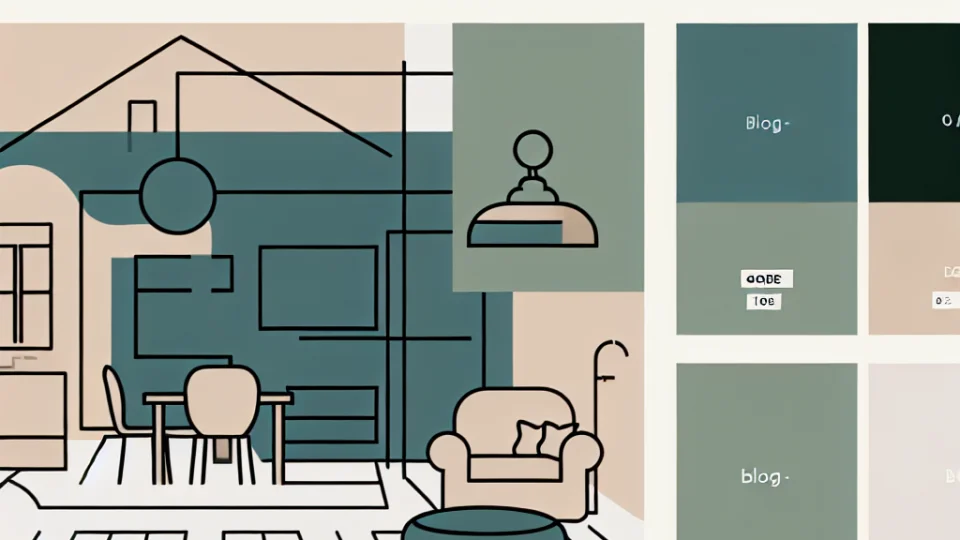
In modern interior design, color palettes are one of the most important elements that reflect the spirit of the home. Especially light color tones make spaces appear more spacious and airy, while warm colors enhance the coziness of the environment. For example, pastel shades of gray and natural tones of beige combine with a minimalist approach to create a modern look. These combinations are ideal for creating both a simple and elegant atmosphere.
The different shades used in color palettes can completely change the mood of a space. For instance, shades of blue provide a calming effect, while shades of green strengthen the connection with nature. In this context, especially the colors preferred in social areas like the kitchen and living room can enhance the quality of the time spent with your family. In modern design, the use of these colors together creates a striking balance.
Additionally, the use of contrasting colors in modern interior design has become an important trend. For example, using light-colored walls with dark-colored furniture adds depth and character to the space. This kind of approach makes the interior appear more dynamic. However, careful planning is necessary to ensure the harmony of colors. The relationship and interaction between colors determine the overall atmosphere of the space.
What Are the Trending Elements in Children's Room Design?
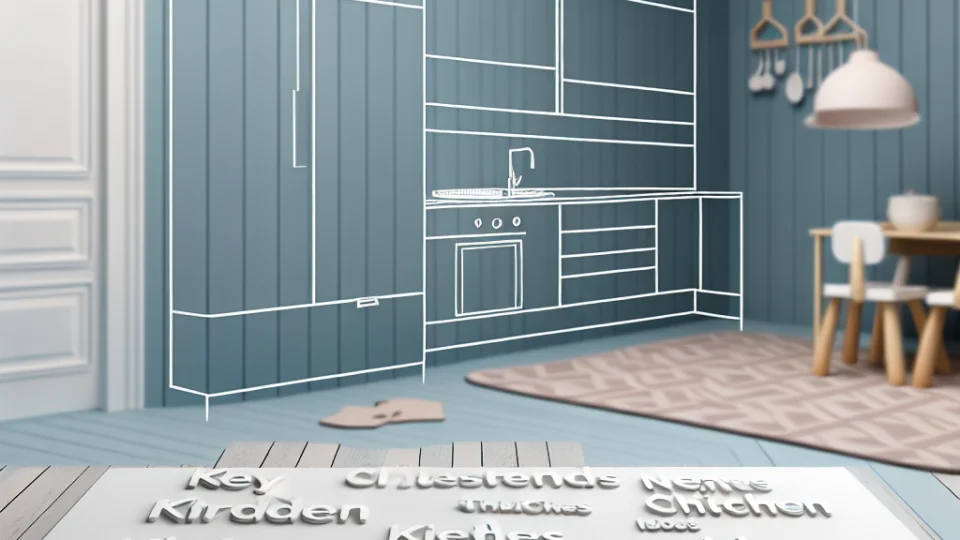
Today, children's room design is not only important for aesthetics but also for functionality. Considering the developmental processes of children, it becomes clear that their rooms need to be equipped with fun and educational elements. In this context, modular furniture adapts to the needs of children and responds to ever-changing demands. For example, multifunctional beds, study areas, and play corners can be offered together, ensuring that the space is used in the most efficient way.
Additionally, designs that take into account the psychological effects of colors positively influence children's moods and creativity. Using vibrant and energetic color palettes creates a pleasant atmosphere in children's rooms while also making the room appear larger. Commonly preferred colors in children's rooms include shades like blue, green, and yellow. These colors provide a spacious look and help children have fun in their rooms.
In recent years, the use of natural materials has also become an important trend in children's room designs. Sustainable materials like wood and bamboo offer a healthy environment and provide an aesthetically pleasing appearance. The use of such materials strengthens children's connection to nature while creating a warm atmosphere in their rooms. Furthermore, the durability of natural materials creates a cost-effective situation for families.
The importance of accessories should not be overlooked. Educational and fun accessories used in children's rooms help enhance their imagination. For instance, fun stickers on the walls, pillows, or toys provide a decorative look while ensuring that children enjoy playing. Additionally, the ability to frequently change these types of accessories offers children the opportunity to constantly refresh the atmosphere in their rooms.
What Are Modern Approaches to Attic Design?
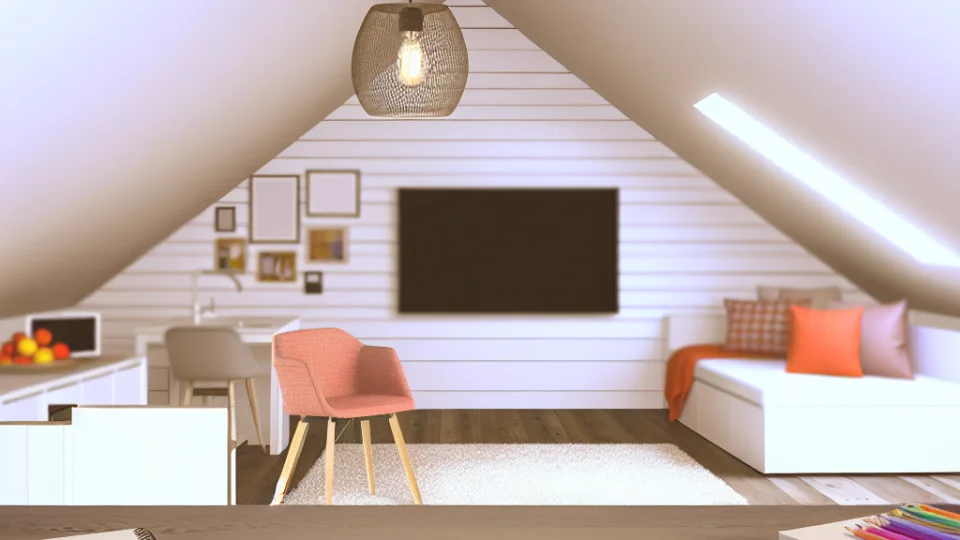
Attic design offers a wonderful opportunity for homeowners to showcase their creativity. Modern approaches allow attics to transform from mere storage spaces into living areas. When these spaces are enriched not only with functionality but also aesthetically, they contribute significantly to the overall design of the home. With the right color palettes, furniture choices, and lighting elements, attics can provide a spacious and inviting atmosphere.
In modern attic design, minimalism takes center stage. This approach aims to eliminate unnecessary items and clutter. It is possible to create an airy space by using open areas, simple lines, and functional furniture. Additionally, large windows and glass doors should be preferred to maximize the use of natural light. This provides a significant advantage in terms of both aesthetics and energy efficiency.
Another important aspect to consider in attic design is storage solutions. It is essential to design integrated cabinets, shelves, and hidden storage areas to use the space efficiently. This keeps the area organized while also presenting a modern look. Furthermore, incorporating greenery in the attic is a great option for creating a natural atmosphere. Plants play a crucial role in enhancing both aesthetics and air quality.
Inspiring Modern Design Ideas for Your Home Office
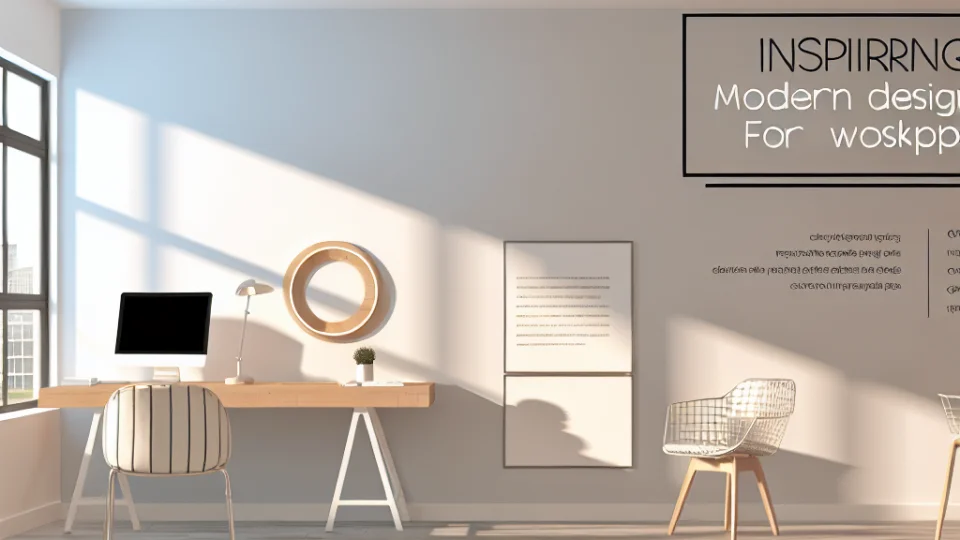
Modern home offices should be designed to enhance productivity and provide an aesthetic appearance. In this context, the minimalist approach is emphasized. Minimalist design aims to create a space that is free of unnecessary items, simple, and organized. Such a space helps to relax the mind and aids in focusing. Soft tones are generally preferred as the color palette. These tones provide tranquility and calmness during work while also enhancing the spaciousness of the area.
Using natural materials in home office design is also quite popular. Wooden furniture adds warmth and character to the office space while also being an eco-friendly option. Wooden desks and shelves provide a modern look without compromising functionality. Additionally, these designs can be enriched with natural stone or metal details. Such materials bring both elegance and durability to the space.
Lighting is a critical element in a modern home office. In addition to natural light, stylish and functional lighting solutions should also be utilized. Different lighting elements such as desk lamps, spotlights, and pendant lights can change the atmosphere of the workspace. Especially LED lights save energy and have a long lifespan. These types of lighting support the overall aesthetics of the space while eliminating distracting elements.
Finally, adding personal touches to the home office is important. Art pieces, photographs, or plants that reflect your style make the space more inviting. Plants serve as both a decorative element and help purify the air. Personal touches increase work motivation and enliven the spirit of the room. Therefore, combining aesthetics and functionality in home office design is of great importance.