What Are the Psychological Effects of Room Colors?
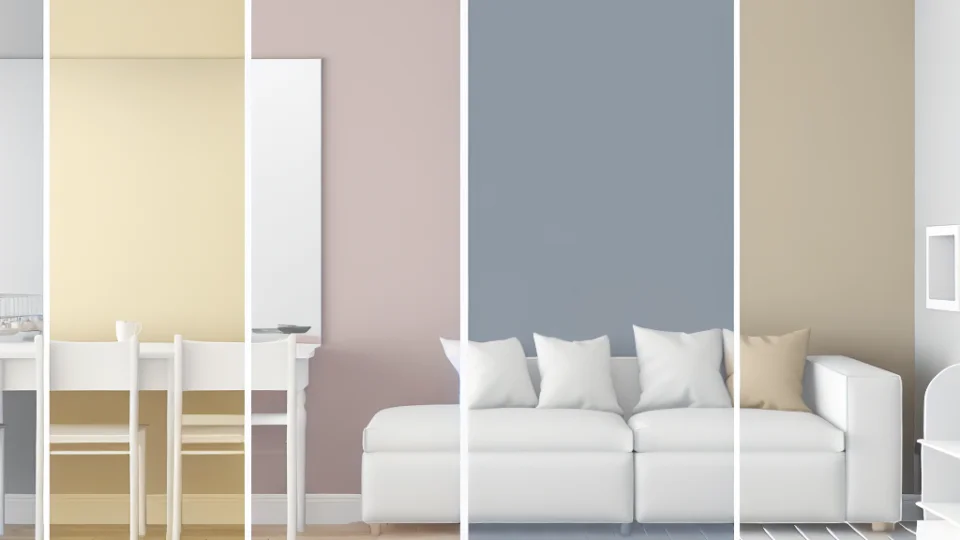
Room colors have a significant impact on individuals' mood and psychological state. Understanding the psychological effects of colors is a critical step in making our living spaces healthier and more peaceful. For example, blue tones generally create a sense of calm and tranquility, while vibrant colors like red can evoke feelings of energy and passion. Therefore, it is important to consider these psychological effects when choosing colors for relaxation areas such as the bedroom.
The psychological effects of colors can vary based on cultural and individual differences. For instance, for some people, the color green evokes a sense of connection with nature, while for others, it may create a feeling of dullness. Thus, personal experiences and emotional connections should also be taken into account when selecting a color. Understanding how colors affect our mood is a crucial step in creating a better living space.
Additionally, the interaction of colors with light can enhance their psychological effects. For example, bright and light colors can make spaces feel more airy and spacious, while dark colors can make them feel cramped and closed in. This is particularly important for small areas. A well-lit space can positively influence our mood, creating a calm and serene atmosphere.
Finally, the combination of colors can also strengthen psychological effects. In particular, it is possible to enhance or soften the energy of a space by using complementary colors. For example, the combination of blue and orange can create both a calming and invigorating effect. By using such combinations, you can create the desired atmosphere in your spaces.
The Best Color Palettes for a Spacious Sleep Area
Creating a spacious sleep area plays a significant role in enhancing sleep quality. Color palettes can help define the atmosphere of a room, aiding individuals in relaxing and falling asleep. In particular, cool tones such as blue and green contribute to a feeling of spaciousness in the room. These colors calm the mind and accelerate the process of falling asleep. Additionally, the use of these colors can make the room appear larger, creating a more open environment.
Pastel tones are also an effective option for creating a spacious sleep environment. Pastel colors create a calm atmosphere without straining the eyes. Colors like light pink, lavender, or mint green provide both a soothing and relaxing effect. These colors enhance the warmth of the room while also improving sleep quality. It is recommended to use these pastel tones on walls, accessories, and textiles for a spacious sleep area.
Moreover, using contrasting colors is an important strategy when creating a spacious sleep area. For example, in a room with a light background, darker-colored furniture provides a striking balance. Colors like dark blue or emerald green enhance the depth of the room, creating a spacious atmosphere. Such color combinations enrich the overall design of the room while also offering a calming environment.
Finally, natural tones are also a great option for a spacious sleep area. Earth tones like beige, brown, or gray create a soothing atmosphere. These colors bring the warmth of nature into your room, providing a comfortable sleep environment. The use of natural tones, especially when combined with wooden furniture, makes the room appear warmer and more inviting. Natural color palettes for a spacious sleep area offer an aesthetic appearance, improving both your mood and sleep quality.
The Impact of Room Colors on Sleep Quality
Room colors are one of the important factors that directly affect sleep quality. Through the psychological effects of colors, we can understand which colors are more relaxing or invigorating. For example, shades of blue and green are generally known for their calming effects. These colors can facilitate the transition to sleep by increasing melatonin production in the body. Additionally, such colors do not strain the eyes and create a peaceful atmosphere, which enhances sleep quality.
When examining the effects of different colors on sleep, it is observed that warm colors (such as red, orange, and yellow) generally create more stimulating effects. These colors can increase heart rate and invigorate the mind. Therefore, the use of these colors in the sleep area is not recommended. Instead, opting for cooler tones in the bedroom provides both mental and physical relaxation.
Moreover, the effect of room color on sleep quality also depends on personal preferences. Each individual's perception of color is different, and while some people may find certain colors more soothing, the same colors can be disturbing for others. Therefore, when choosing colors for the bedroom, you should also consider your personal experiences. Finding the most suitable color tone through trial and error can enhance your sleep quality.
In conclusion, the impact of room colors on sleep quality is quite significant. Care should be taken in the selection of colors. By choosing refreshing and calming colors, it is possible to improve your sleep quality. Additionally, using the right lighting and decor elements in harmony with these colors will also contribute to completing the atmosphere of the bedroom.
How Can You Refresh Your Room with Color Changes?
The color changes you make in your room are an important element that affects both the atmosphere and your mood. Colors not only provide visual aesthetics but also have the capacity to create psychological effects. For example, using lighter shades can brighten your room and create a sense of a larger space. Additionally, warm and vibrant colors can boost your energy, while cool tones provide a calming environment. Therefore, choosing the right color palette is a critical step in refreshing your room.
If you want to create a spacious and relaxing area by refreshing your room, you might consider pastel tones. Pastel colors are less straining on the eyes, helping to create a comfortable sleeping environment. For instance, shades like light blue, green, or lavender can enhance your sleep quality due to their calming effects. Moreover, these colors reflect natural light better, making the space appear brighter. Using a combination of these colors in your room can also help you achieve a harmonious look.
When making color changes, you should consider the colors you apply to your walls along with your furniture. For example, by establishing a balance between light-colored walls and dark furniture, you can enrich the overall appearance of the room. Additionally, by taking your accessories and textiles into account, you can create a sense of unity in your space. This not only offers a visually satisfying experience but also provides a more fulfilling emotional experience.
Finally, it is quite important to observe how the color changes in your room affect the space over time. A color that you initially like may become boring over time. Therefore, do not hesitate to try different color combinations regularly to change the atmosphere of your room. Especially during seasonal transitions, you can revitalize your room with colors that match your mood. Such changes contribute positively to both your physical and mental health.
Which Colors Support Sleep?
Designing the environment correctly is crucial for a good night's sleep. Colors are one of the most important elements that affect our mood. Especially in the context of sleep, the colors chosen can create a relaxing sleep environment by defining the atmosphere of the room. Cool tones generally create a sense of peace and calm, while warm tones can create a more energetic environment. Therefore, you should carefully choose the color palette you prefer for your bedroom.
Blue is one of the most popular colors that speed up the process of falling asleep. With its relaxing effect, it helps the mind and body to relax. At the same time, the color blue can enhance sleep quality by reducing stress levels. Especially light blue tones create a spacious atmosphere in the bedroom, while dark blue tones can provide a deep sense of tranquility. Therefore, using blue tones in your bedroom can be an effective way to improve your sleep quality.
The color green is known as a symbol of nature and provides peace to people. Green tones create a relaxing environment by reducing eye strain. Especially pastel green tones balance the energy level of the room, creating a calm atmosphere. This color calms the mind and facilitates the process of falling asleep. Additionally, due to the psychological effects of the color green, feelings of peace and security are enhanced.
Finally, gray tones can also be a suitable option for the bedroom. Soft gray tones provide a modern look while creating a spacious atmosphere. This color gives a sense of tranquility, relaxing the mind. However, excessive use of gray tones can negatively affect mood. Therefore, when using gray in the bedroom, it would be beneficial to combine it with other soft colors. This way, you can achieve both a stylish and peaceful environment.
How to Achieve Color Harmony with Night Lighting?
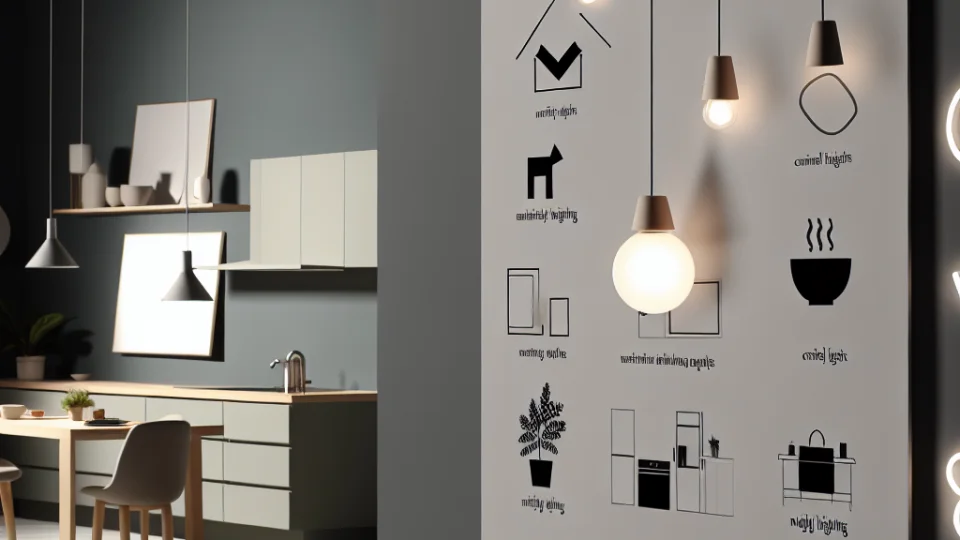
Night lighting plays a significant role in the process of falling asleep. Therefore, achieving color harmony with the right light sources is of great importance both aesthetically and functionally. To enhance the overall ambiance of your room and improve sleep quality, you should establish a good balance between lighting and color selection. For example, warm tones create a relaxing atmosphere, while cool tones can have a more stimulating effect. Thus, you should carefully choose the color palette and lighting you will use in your room.
Additionally, there are various light sources you can use for night lighting. Lamps that provide soft lighting can soften the room's atmosphere, while spotlights can offer more focus. For instance, wall lamps or night lights are ideal options that can be used in the bedroom. These types of lighting provide overall illumination without straining the eyes and also serve as a decorative element.
The harmony of colors and lights also plays an important role in the overall design of the room. When pastel tones are combined with warm light sources, they create a calming atmosphere. This type of combination provides mental and physical relaxation. On the other hand, more vibrant colors and cool lights can increase energy, so you may want to avoid such combinations. Choosing lighting that is compatible with your room's color palette can enhance your sleep quality.
Finally, here are some tips about the types of lighting and color harmony you will use in your room: Lamps placed on the headboard can create a comfortable reading area. Additionally, using dimmer switches to adjust the light intensity can be beneficial when transitioning to sleep at night. Changing the color and intensity of the light can shape the atmosphere of the room at different times. By considering these elements, you can make your sleeping area more comfortable.
Factors to Consider in Color Selection
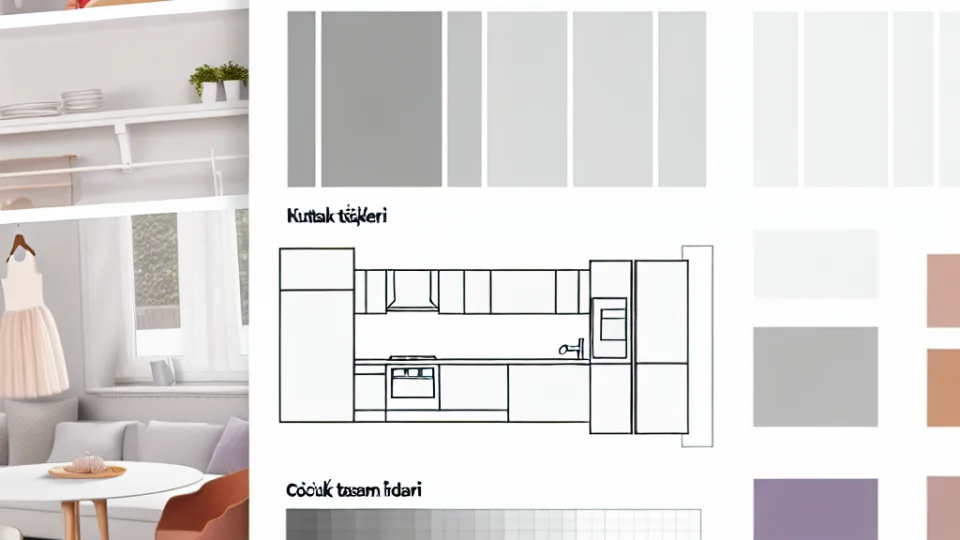
One of the most important factors to consider in color selection is the purpose of the room. The colors chosen for sleeping areas, in particular, can directly affect our mood and overall health. For example, shades of blue and green can facilitate falling asleep as they promote calmness and tranquility. On the other hand, very bright and vibrant colors may keep us awake due to their energizing properties. Therefore, determining a color palette suitable for the room's function will be both an aesthetic and functional approach.
Another important factor is lighting. The amount of natural light the room receives plays a significant role in how colors are perceived. Under daylight, colors appear more vibrant and realistic, while under artificial lighting, they can take on different tones. Therefore, when making your color selection, you should consider the lighting conditions of the room. Particularly for colors chosen to help fall asleep at night, it is important to account for how they will look under artificial light.
The psychological effects of colors should also be taken into account. Each color evokes different emotions and reactions in people. For instance, yellow can evoke feelings of joy and liveliness, while shades of gray and black may create a sense of melancholy. These emotional effects can directly impact sleep quality. To create a peaceful sleeping environment, you should research the psychological effects of colors and make a choice considering your personal preferences.
Finally, color harmony is also very important. How the colors you choose interact with each other determines the overall atmosphere of the room. You can use a color wheel to choose between complementary or similar tones. Additionally, you should strive to achieve a harmonious balance with the colors of the furniture and decorative elements in the room. This way, you can create an environment that not only pleases your eyes but also supports your mental well-being.