What Elements Stand Out in Modern Interior Design?
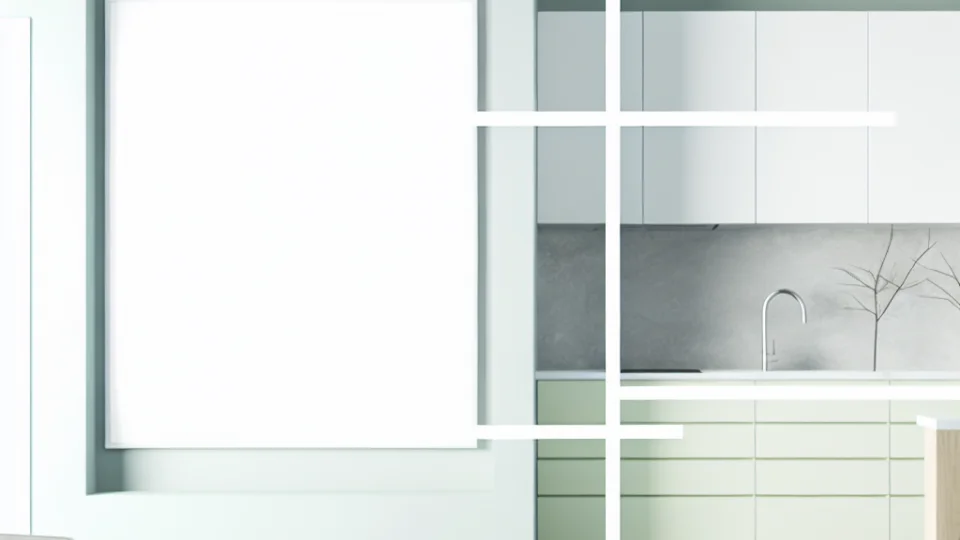
Modern interior design is shaped by an understanding that combines aesthetics and functionality. The most distinctive feature of this design style is the prominence of minimalism and simple forms. High ceilings, large windows, and open spaces are indispensable elements of modern interiors. Additionally, integrating nature into interiors is achieved through the use of plants and natural light. These elements create a spacious atmosphere while positively influencing the users' moods.
The color palette plays a significant role in modern interior design. Generally, neutral tones and pastel colors are preferred, while bold color accents are added in some areas to inject energy. Colors like white, gray, and beige help the space appear larger and more airy, while accent colors add dynamism to the design. This balance ensures that modern interiors are visually striking. Furthermore, walls are typically kept in light colors, allowing furniture and decorative elements to stand out.
In furniture selection, functionality and aesthetics are prioritized. Modern designs favor multi-functional furniture. For example, extendable tables, seating groups that offer storage space, and modular furniture provide both stylish and practical solutions. The lines of the furniture generally have clean and clear shapes, contributing to a more organized and modern appearance of the space. Additionally, natural materials such as wood, metal, and glass are frequently used in the design, enhancing the warmth of the interiors.
Finally, lighting elements play a critical role in modern interior design. In addition to natural light, stylish lighting fixtures can also change the atmosphere of the space. Spotlights, pendant lamps, and LED lighting are used to highlight different areas of the design. Designing lighting in a layered manner makes the space more dynamic and inviting. These elements contribute to modern interiors being rich not only in aesthetics but also in functionality.
What Are the Differences Between Classic and Modern Design?
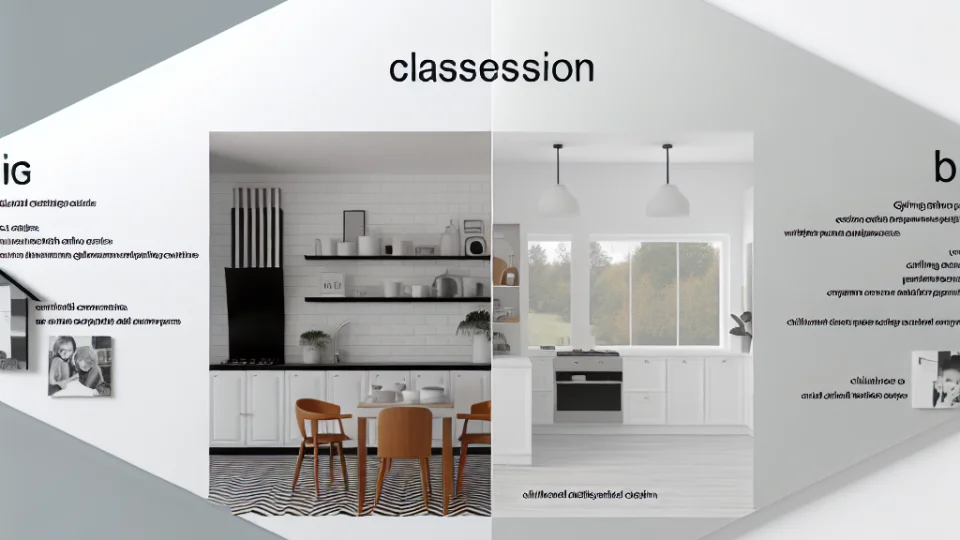
Classic and modern design emerge as two main styles that shape interior spaces. Classic design typically features rich details, symmetry, and historical elements, while modern design adopts a more simple and minimalist approach. The materials used in classic design are usually natural and durable, such as wood, stone, and metal. Additionally, furniture in classic design is often crafted with intricate workmanship, offering a timeless aesthetic. These fundamental differences between the two styles play a significant role in homeowners' design choices.
On the other hand, modern design emphasizes functionality and simplicity. Open spaces, straight lines, and functional furniture are distinct characteristics of modern design. Moreover, the color palettes used in modern design tend to be more neutral and understated, allowing natural light to enter the interior. This makes the space appear more airy and spacious. Unlike classic design, modern design has fewer details and generally employs fewer decorative elements.
Another important difference between classic and modern design is the walls and flooring. In classic design, rich textures and patterns are often found in carpets, wallpapers, and embellishments, while modern design favors smoother and simpler coverings. This helps modern interiors present a clean and organized appearance. Additionally, while light colors are more prevalent in modern design, dark and rich colors stand out in classic design.
Finally, both design styles have emotional impacts. Classic design creates a warm and inviting atmosphere, whereas modern design offers a cooler and more minimal sensation. This is an important factor for homeowners when deciding which design style to choose. The differences presented by classic and modern design provide individuals with a broad perspective on how to personalize their living spaces.
Which Style is More Suitable for Home? Classic or Modern?
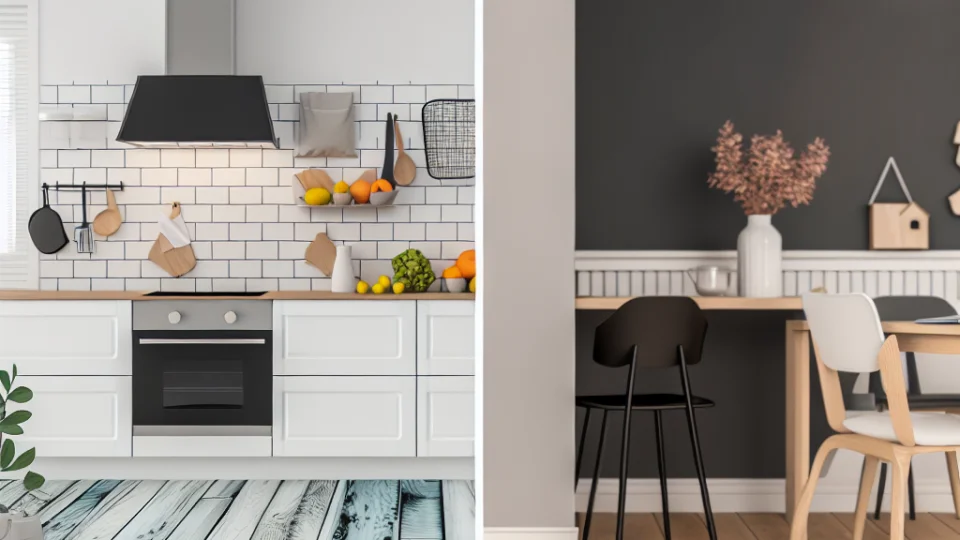
When it comes to interior design, deciding which style is more suitable depends on many factors. Classic design typically aims to create an atmosphere filled with elegance and refined details. Such designs are often complemented by dark wood furniture, ornate curtains, and classic artworks. On the other hand, modern design adopts a more minimalist approach. Clean lines, open spaces, and functional furniture prioritize the needs of users. When choosing between these two styles, the overall structure of the house and personal tastes play a significant role.
Classic interior design, by emphasizing traditional elements, generally creates a warmer and more inviting atmosphere. Spacious living areas, rich textures, and detailed craftsmanship are characteristic features of classic design. Additionally, the color palettes used in classic design are often deeper and darker tones. This gives the home a more luxurious and sophisticated appearance. If homeowners want to create a warm family environment, classic design can meet this need.
Modern interior design, on the other hand, centers around functionality. It offers spaces designed to suit users' lifestyles. Open areas, minimalist furniture, and the use of natural light are distinct features of modern design. If homeowners are looking for a simpler, stylish, and organized living space, modern design can meet their expectations. Additionally, the color palettes used in modern styles typically consist of light and neutral tones, making the space appear more spacious and bright.
In conclusion, which style is more suitable is entirely dependent on personal preferences. While classic design may be ideal for those seeking a warm and inviting atmosphere, modern design is suitable for those looking for a simple and functional living space. Both styles reflect different lifestyles and should be shaped according to the needs of homeowners. The important thing is to choose a design that reflects the spirit of the home.
How Should Color Selection Be in Classic and Modern Design?
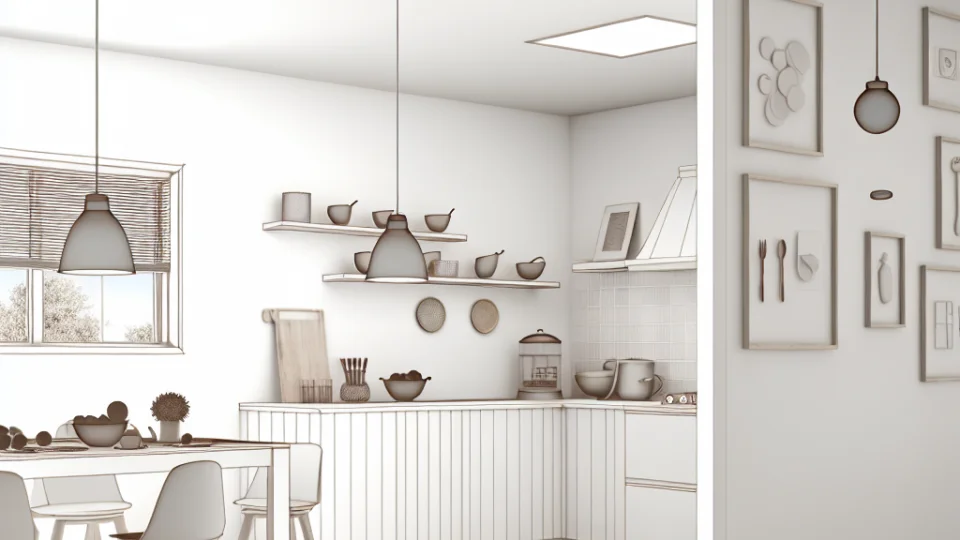
Color selection is one of the most important elements of interior design and shows distinct differences between classic and modern styles. In classic design, natural tones, pastel colors, and rich, deep color palettes are generally preferred. The colors used in this style should typically harmonize with natural materials like wood and stone. Metallic details such as gold and silver are also common elements in classic design. These colors aim to add a luxurious and elegant atmosphere to the spaces.
In modern design, however, color selection takes a bolder and innovative approach. While light and minimalist tones are generally preferred, vibrant colors are also used as accent elements. Neutral colors like white, gray, and black form the foundation of modern design, while bright colors like orange, blue, or green create a striking effect in specific areas. In this style, the use of colors together is an important tool for changing the overall mood of the space.
Additionally, the emotional impact of color in the space should also be considered. Warm tones used in classic design create a cozy atmosphere, while cool colors used in modern design evoke a sense of spaciousness and freshness. The selection of colors according to the function of the space plays a critical role in defining the spirit and atmosphere of the interior. Therefore, for both styles, color selection is one of the fundamental elements that affect the overall success of the design.
Which Furniture Suits Classic and Modern Styles?
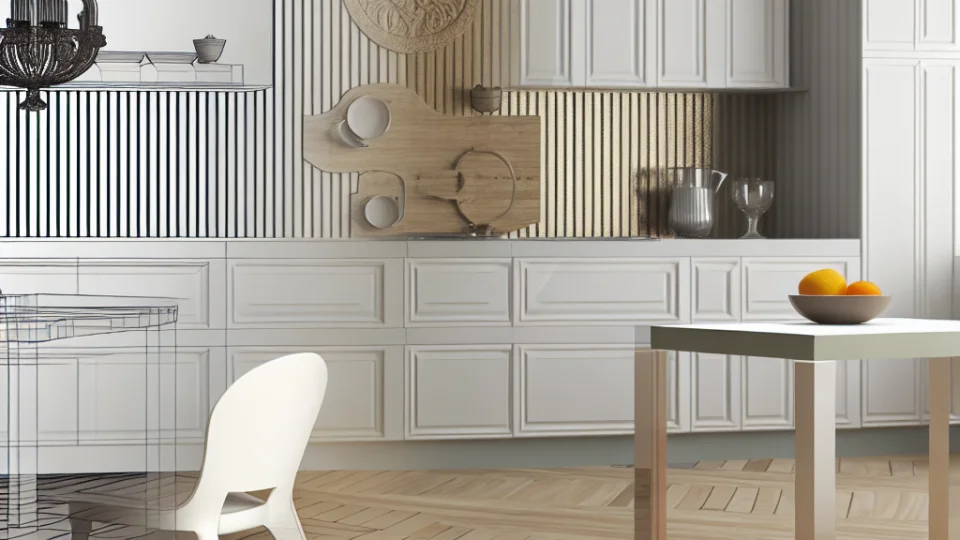
The furniture used in interior design is one of the most important elements that determine the overall atmosphere of a home. Classic furniture is typically characterized by rich details, wood craftsmanship, and traditional patterns. For example, a sofa with curved lines or an intricately carved dining table are symbols of the classic style. Such furniture aims to create an elegant and luxurious atmosphere. The classic style is often enriched with dark wood, rich fabrics, and golden details. Each piece is carefully selected to ensure the integrity of the design.
On the other hand, modern furniture exhibits a more minimalist approach. Clean lines, simple forms, and functionality are at the forefront. In modern design, materials such as metal, glass, and natural elements are commonly used. For instance, a sofa with straight lines or a sleek glass table embodies the characteristics of modern style. The color palette typically consists of lighter and neutral tones, creating a spacious environment. While modern furniture combines functionality and aesthetics, minimalism is prioritized.
Both styles have their unique advantages. Classic furniture creates a warm and inviting atmosphere, while modern furniture offers more spacious and open areas. Therefore, homeowners' preferences may vary depending on their lifestyle and the characteristics of the space. For example, modern furniture may be a better choice in a small apartment, while classic furniture may create a more suitable atmosphere for a large villa. This choice should best reflect the spirit of the home and the needs of its users.
In conclusion, the selection of furniture in interior design depends not only on style but also on personal taste, the size of the living space, and functionality. When choosing between both styles, it is important to consider the features and advantages of each. This way, it will be possible to create a living space that is both aesthetically pleasing and functional. A good design should highlight not only visual appeal but also usability.
Considerations for Choosing a Style in Home Interior Design
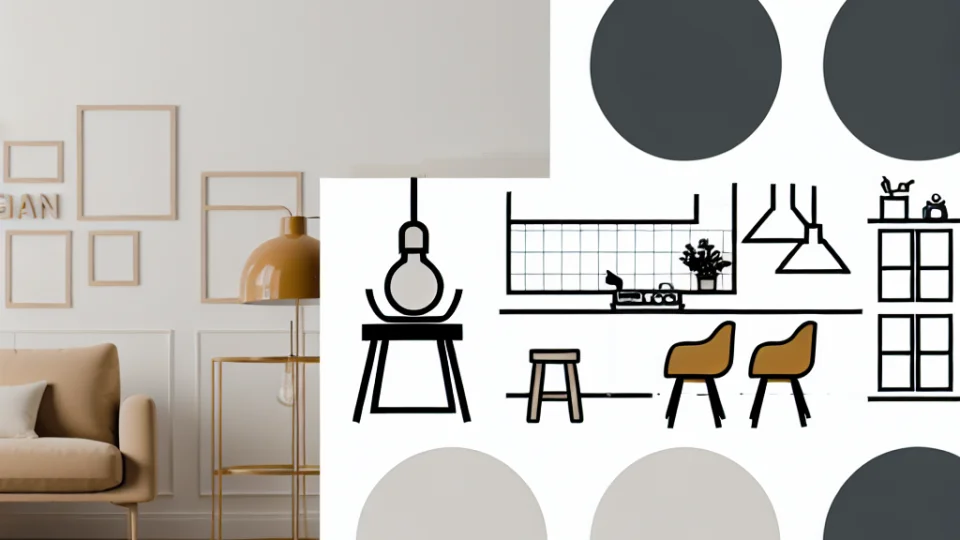
Choosing the right style in home interior design is one of the most important elements that determines the overall atmosphere of the house. In this process, it is essential to consider the purpose of the home and the family dynamics. For example, in a family with children, functionality and safety should be prioritized. Additionally, the architectural structure of the house and the size of the available space play a critical role in style selection. Narrow spaces are more suitable for minimalist and modern designs, while larger areas are conducive to classic and detailed designs.
The color palette is also an important factor to consider in style selection. Classic designs are often adorned with warm and dark tones, while modern designs prefer lighter and more vibrant colors. The psychological effects of colors should not be overlooked; for instance, shades of blue provide tranquility, while shades of yellow create an energetic atmosphere. Therefore, the chosen colors should harmonize with the overall ambiance of the home.
It is also crucial to ensure that furniture selection aligns with the chosen style. Classic designs typically favor natural materials such as wood and leather, while modern designs utilize contemporary materials like metal and glass. The sizes and shapes of the furniture should be chosen according to the size of the space. Large furniture can create a suffocating effect in small areas, while minimalist furniture designs can make the space feel more open. Thus, it is important to consider both aesthetics and functionality when selecting furniture.
Finally, personal preferences and lifestyle should also be taken into account when choosing a style. Everyone has a different aesthetic understanding, and these differences should be reflected in your home. Adding details that reflect your own style can make your home feel warmer and more inviting. Accessories and artworks that reflect your style give character to your home. Therefore, you should not overlook your tastes and needs during the design process.
What Are the Key Features of Classic Interior Design?
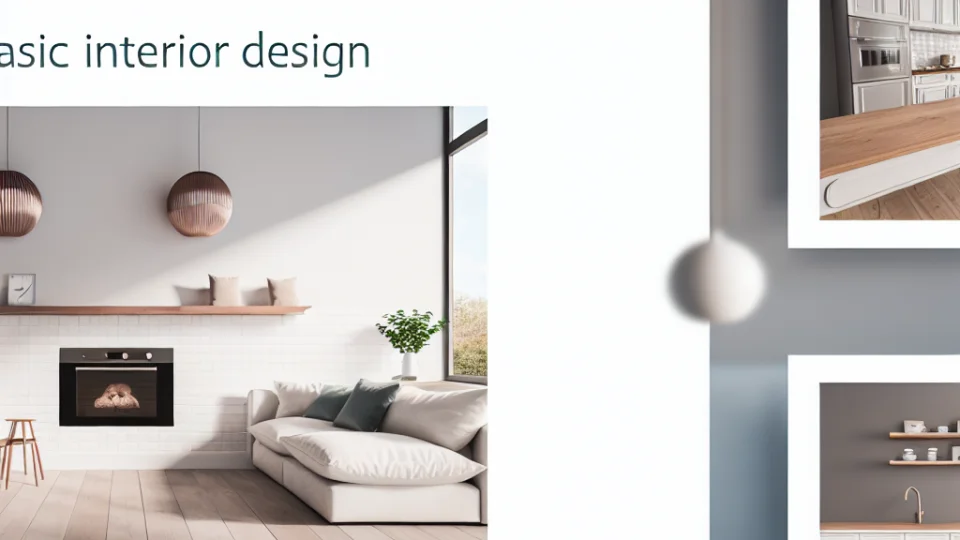
Classic interior design stands out as a style that brings the elegance and richness of detail from the past into the present. In this design style, symmetry and balance are usually at the forefront. The arrangement of spaces is meticulously planned to highlight classic elements. The furniture used in classic interiors is generally heavy, ornate, and richly detailed. Natural materials such as wood and marble are frequently preferred. The color palette typically consists of pastel tones and rich dark colors, adding a warm and inviting atmosphere to the space.
In classic interior design, details are one of the most important parts of the overall aesthetic. Elements such as ceiling decorations, wall panels, and rich stitching details help the space appear luxurious and elegant. In this style, the accessories used also play a significant role; antique paintings, large mirror frames, and handmade decorative objects are commonly featured. These elements define the character of the space and serve as a bridge between the past and the present.
Another important feature of classic interior design is layered lighting systems. In this design, lighting elements are used not only functionally but also as decorative components. Chandeliers, lampshades, and wall sconces spread a warm light to every corner of the space, enriching the atmosphere. Additionally, lighting elements are usually selected to fit the classic style and harmonize with the overall aesthetics of the space.
Finally, the use of natural materials is prominent in classic interior design. Materials such as wood, marble, and stone play an important role in both durability and aesthetics. The use of these materials helps the space to carry a warm and inviting atmosphere. Moreover, the longevity of natural materials reinforces the timelessness of classic design. While classic interior design carries the traces of the past, it also meets the needs of modern living.