What is Exterior Cladding and Why is it Used?
Exterior cladding is a building element that protects the outer surfaces of structures and provides an aesthetic appearance. Typically made from various materials, these claddings enhance the durability of the building against both internal and external environmental conditions. These claddings are used not only for visual appeal but also to improve the energy efficiency of the structure and provide protection against external factors. While extending the lifespan of buildings, exterior claddings also reduce maintenance costs.
One of the most significant advantages of exterior cladding is its ability to provide insulation. These claddings help save energy by reducing heat loss from the building. Especially in winter, they minimize heating costs by preventing warm air from escaping. In summer, exterior cladding helps maintain a cool environment by preventing excessive heat buildup in indoor spaces. Thus, it offers a significant contribution to both comfort and energy efficiency.
From an aesthetic perspective, exterior claddings give buildings a distinct character. Cladding materials can be produced in various colors and textures, allowing architects to express their creativity. Thanks to the diversity of exterior claddings, it becomes possible for each building to reflect its own style. From modern buildings to classical structures, exterior claddings can cater to all architectural styles.
Finally, exterior claddings provide significant protection against external factors. Natural events such as rain, snow, wind, and sun can adversely affect the outer surfaces of buildings. These claddings help protect the structure from such external factors, contributing to its longevity. Additionally, stains and dirt that may accumulate on the surfaces of buildings with exterior cladding can be cleaned more easily. This way, maintenance and cleaning processes require less time and cost.
What Are the Facade Cladding Options That Increase Energy Efficiency?
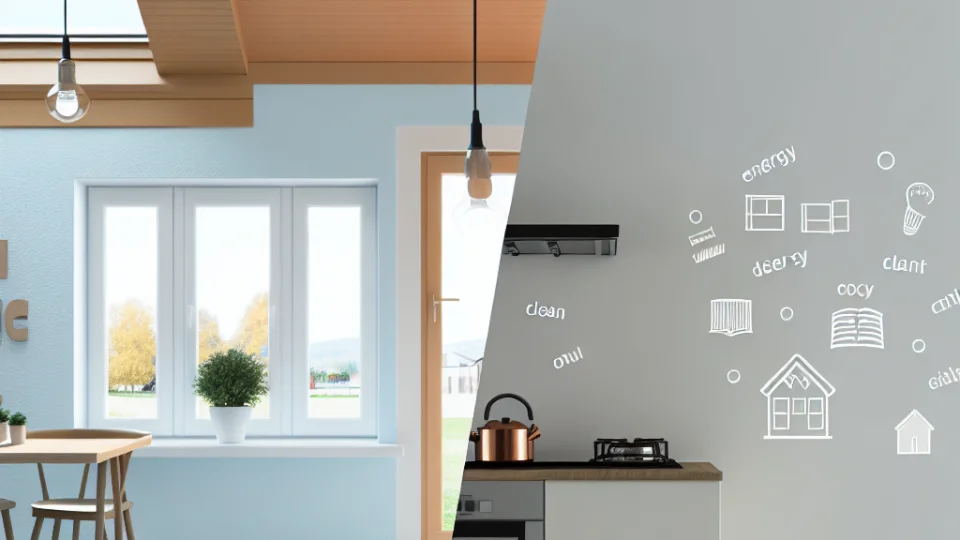
Energy efficiency is of great importance today, both environmentally and economically. Facade claddings are one of the most critical elements affecting a building's energy consumption. Therefore, the selection of the right facade cladding materials is essential to enhance energy efficiency. For instance, cladding materials with high insulation properties minimize heat loss, reducing heating costs in winter and balancing indoor temperatures in summer.
Many different facade cladding materials have the potential to increase energy efficiency. In particular, insulation panels are a highly effective option for energy savings. When applied to the exterior of walls, these panels reduce the effects of the external environment, providing a more stable temperature indoors. Additionally, these materials, used for energy savings, are also notable for their eco-friendly characteristics.
Another option is facade systems integrated with solar panels. These systems not only generate energy but also enhance the energy efficiency of buildings. Panels that convert sunlight directly into energy reduce electricity costs and minimize environmental impact. This type is particularly advantageous in sunlit regions.
Lastly, sustainable materials such as natural stone and wood cladding can also contribute to energy efficiency. These materials provide good insulation while being aesthetically pleasing. The use of natural materials is important for increasing indoor comfort as well as for energy savings. Therefore, when evaluating your facade cladding options, selecting materials that are suitable in terms of both aesthetics and energy efficiency plays a critical role.
How to Achieve an Aesthetic Appearance with Exterior Cladding?
Exterior cladding significantly affects the outward appearance of a building. When the right choices are made, these claddings not only provide an aesthetic look but also reflect the architectural style and character of the building. For instance, glass and metal claddings used in a modern structure create elegance and a contemporary vibe, while wood or stone claddings in a classic home evoke a nostalgic atmosphere. This variety offers options suitable for every taste and style, allowing users to achieve an aesthetic appearance according to their personal preferences.
Another important aspect of achieving an aesthetic appearance with exterior cladding is color selection. Colors can completely transform the exterior look of a structure. For example, light colors make the space appear larger and more spacious, while dark colors create a more elegant and luxurious impression. When natural stones or ceramic claddings are used, the natural texture of these materials enhances the visual appeal, providing a striking exterior appearance. Moreover, the combination of different colors and textures can create a dynamic atmosphere in building design.
In addition to cladding materials, the details used in exterior design also have a significant impact on aesthetic appearance. For example, elements such as window frames, door details, and balcony railings complete the integrity of the overall design. Properly designing these details makes the exterior more attractive. Furthermore, the harmony of materials and colors in these elements is quite important. For instance, when wooden claddings are combined with metal details, a contemporary and warm aesthetic can be achieved.
Finally, it is essential to embrace a sustainable design approach by combining the functionality of exterior cladding with aesthetics. The use of eco-friendly materials not only enhances visual appeal but also demonstrates sensitivity to nature. For example, claddings made from recycled materials offer an aesthetic appearance while minimizing environmental impacts. Therefore, achieving an aesthetic appearance with exterior cladding is not only limited to looks but is also related to environmental responsibility.
Which Materials Are Most Suitable for Exterior Cladding?
Determining the most suitable materials for exterior cladding is crucial for both aesthetics and structural durability. Concrete is one of the most commonly used materials today. With its sturdy structure, concrete offers a long-lasting cladding solution while also allowing for an aesthetic appearance through various surface finishing techniques. Additionally, the contribution of concrete to energy efficiency is one of the reasons many architects prefer this material.
Wood claddings are an excellent choice for those seeking a natural look in exterior design. Besides being an environmentally friendly material, wood provides good insulation. However, it is important to remember that wood claddings require maintenance. When the right type of wood is used, exterior cladding not only offers an aesthetic appearance but also creates a sense of natural warmth.
Metal claddings are among the essentials of modern architecture. Materials like aluminum and steel stand out for their lightweight and durability. Since metal claddings can be produced in various colors and textures, they provide great flexibility in design. Moreover, metal surfaces are extremely resistant to rain and other external factors, offering a long-lasting solution.
Brick claddings offer an ideal option for those looking for a classic appearance. Brick is known for its durability and ability to create a warm atmosphere. Additionally, brick claddings are among the environmentally friendly material options. These claddings not only enhance energy efficiency but also provide an effective solution for sound insulation.
How Does Exterior Cladding Simplify Maintenance and Repair Processes?
Exterior cladding protects the outer surface of buildings, providing an aesthetic appearance while also facilitating maintenance and repair processes. Cladding materials are resistant to external factors and minimize potential damage over time. As a result, issues such as cracks, stains, or color fading on the building's exterior occur less frequently. This provides a significant advantage in terms of both time and cost.
Another advantage of exterior cladding is that it reduces maintenance requirements. Traditional exterior surfaces, especially painted ones, may require frequent repairs. However, cladding systems are generally more resistant to water, moisture, and UV rays. This allows users to spend less time and money on maintenance, leading to fewer hassles. Additionally, cladding materials are often easy to clean, further simplifying the maintenance process.
During the application of exterior cladding, the right choice of materials and methods can further ease maintenance and repair processes. Cladding materials with high insulation properties help maintain the internal temperature balance of buildings, making them less affected by external factors. Such cladding reduces maintenance needs in the long run while also enhancing energy efficiency. As a result, these features extend the lifespan of buildings and ensure fewer issues are encountered.
Finally, the repair processes for exterior cladding are quite straightforward. A damaged cladding piece can often be replaced without requiring repairs to the entire surface. This accelerates repair processes, allowing users to spend less time and resources. Exterior cladding systems stand out not only for their aesthetics and functionality but also for their ease of maintenance and repair. Therefore, they have become a preferred option for new construction projects.
How to Ensure the Durability and Longevity of Facade Cladding?
The durability of exterior facade cladding is directly related to the quality of materials used. The advantages offered by different materials play a critical role in extending the lifespan of the facade cladding. For instance, modern materials such as aluminum composite panels and ceramic tiles provide both aesthetic appeal and resistance to external factors. Therefore, when selecting facade cladding materials, factors such as climate conditions and the sunlight exposure of the facade must be taken into account.
Additionally, regular maintenance of facade cladding is another important factor that enhances durability. Annual maintenance programs help extend the lifespan of the facade cladding by preventing issues such as water leakage and pollution. Cleaning and repair processes allow for early detection of potential damages to the facade cladding. This way, it becomes possible to avoid larger repair costs.
The application techniques of cladding materials are also a factor that affects durability. Proper application methods ensure that facade cladding withstands weather conditions better. For example, using appropriate sealing materials to achieve waterproofing and paying attention to details during installation are critical for a long-lasting facade cladding. Such technical details enhance the durability of the facade cladding as much as its aesthetics.
Finally, the thermal insulation properties of facade cladding are important as well. Good thermal insulation contributes to the longevity of the facade cladding. Insulated cladding materials maintain the temperature of indoor spaces, making them more resistant to external factors. This helps preserve the structural integrity of the facade cladding. Moreover, by providing energy efficiency, it reduces costs in the long run and contributes to environmental sustainability.
How to Determine Exterior Cladding Prices and Budget Planning?
In exterior cladding projects, pricing depends on many factors. Firstly, the type of material used is one of the most important elements that determine the project's cost. Different cladding materials such as wood, composite, aluminum, or natural stone can show significant differences in price ranges. Especially high-quality and durable materials may incur a higher initial cost, but they can reduce maintenance and repair costs in the long run. Therefore, when selecting materials, it is important to consider not only the initial cost but also the long-term benefits.
Another important point to consider when budgeting is labor costs and the construction duration. Working with a professional team can enhance the quality of the projects, but labor costs occupy a significant portion of the total project cost. Therefore, conducting detailed research on labor costs and obtaining quotes from different companies can help you manage your budget more effectively. Additionally, you should consider the factors that affect labor costs, such as the scope of the project, the degree of difficulty, and the completion time.
Regional differences should also be taken into account when determining exterior cladding prices. In different regions of Turkey, material and labor costs may vary. For instance, in large cities, exterior cladding projects may be more expensive due to higher construction costs. Therefore, by researching construction companies and prices in your area, you can better optimize your budget. Working with local firms can provide advantages in terms of reducing costs and speeding up the project process.
Finally, it is crucial to set aside a contingency budget for unexpected expenses in exterior cladding projects. Additional costs you may encounter during the project process can cause you to exceed your planned budget. Therefore, always allocating 10-15% of your total budget for unexpected expenses can protect you from potential surprises. This way, you can complete your project smoothly and maintain control over your budget.