What Color Combinations Are Preferred for Modern Structures?
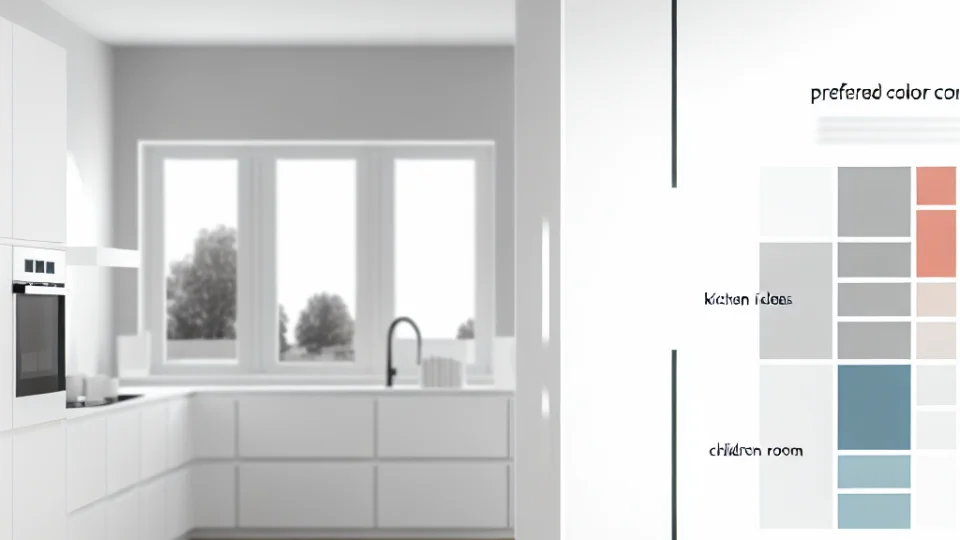
Color choices for modern structures are important elements that combine aesthetics and functionality. Neutral tones such as white, gray, and black, which are compatible with the minimalist design approach, are frequently preferred for modern buildings. These colors can be used in both interiors and exteriors. Neutral colors provide harmony with other architectural elements and the environment while also offering a timeless appearance. Additionally, these tones allow different materials and textures to stand out.
In recent years, it has been observed that more vibrant colors are also being used in modern architecture. Particularly, lively tones like blue, green, and orange create a striking effect on exteriors. These colors reflect the dynamism of the modern structure while creating an atmosphere that is in harmony with nature. Furthermore, the use of these vibrant colors helps integrate the structure with the surrounding natural elements, thus providing a design approach that not only creates visual aesthetics but also interacts with the environment.
In addition to color combinations, the surface textures of buildings are also quite important. The combination of matte and glossy surfaces creates visual depth while providing an interesting texture contrast. For example, adding a glossy color on top of a matte surface helps the structure achieve a more dynamic appearance. Such combinations enhance the aesthetics of the modern building while also enriching spatial perception. At this point, the quality of the materials used in exterior design plays a significant role.
Finally, sustainability and environmentally friendly design approaches also influence the color choices of modern structures. Natural tones and local materials are preferred to achieve better harmony with the environment. In this context, earth tones and various shades of green offer both an aesthetic and ecological approach. These colors facilitate the integration of the structure with the natural elements surrounding it. Additionally, the use of sustainable materials allows the structure to achieve an appearance that is both environmentally friendly and aesthetically pleasing.
What to Consider When Choosing Exterior Paint?
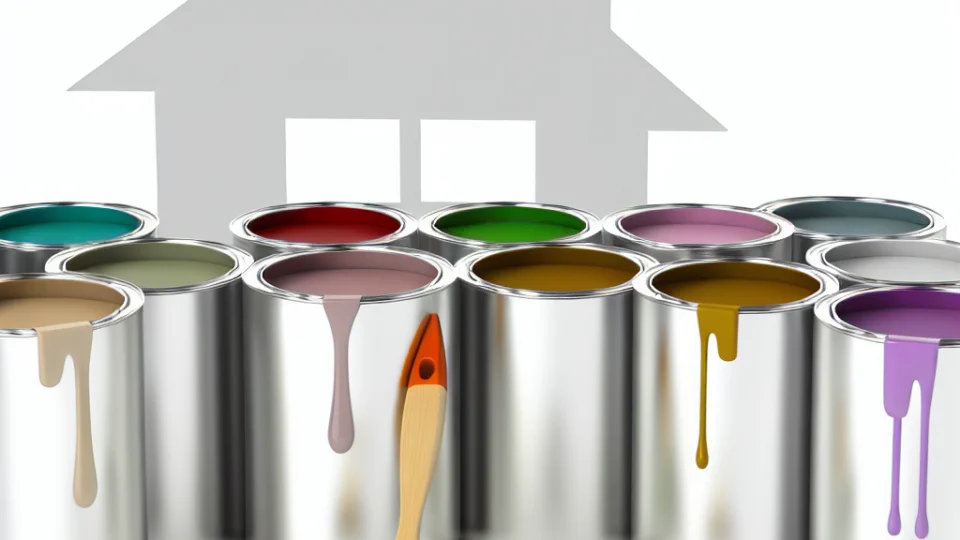
The most important factor to consider when selecting exterior paint is the climatic conditions. The climate of the area where the structure is located directly affects the durability of the paint used. For example, in rainy and humid regions, water-resistant and mold-resistant paints should be preferred. Additionally, in hot climates, using paints that are resistant to UV rays ensures the longevity of your exterior. Therefore, it is crucial to make the right choice by taking climatic conditions into account.
Another important aspect is the color selection. The color chosen for exterior paint can affect not only aesthetics but also the energy efficiency of the structure. Light colors help keep indoor spaces cooler by reflecting sunlight, while dark colors can absorb heat, keeping the interior warm. Thus, selecting appropriate color tones for both appearance and energy savings is a critical step.
The quality of materials should also not be overlooked when choosing exterior paint. High-quality paints not only last longer but also resist external factors and prevent issues such as fading and cracking over time. Furthermore, quality paints generally provide better coverage, allowing you to achieve the desired result with fewer coats. Therefore, it would be beneficial to choose quality paints from reputable brands instead of low-cost but inferior products.
Finally, application methods play an important role in the selection of exterior paint. The techniques used during the application can affect the durability and appearance of the paint. A professional application ensures that the paint is distributed evenly and smoothly, preventing unwanted stains and blisters on the exterior. Therefore, seeking assistance from experts in paint application will help you achieve a long-lasting and aesthetically pleasing exterior.
What Are the Featured Exterior Color Trends in 2023?
The prominent trends in exterior colors in 2023 have become quite striking due to the influence of modern architecture. Natural tones, such as beige, cream, brown, and gray, have gained popularity in both urban and rural areas. These colors create a calm atmosphere while harmonizing with the environment, and they also highlight the architectural details of the structure. Especially pastel tones add a chic and elegant touch when combined with modern designs.
In addition, vibrant colors are also drawing attention this season. Energetic colors like orange, yellow, and blue aim to create a bold expression on exteriors. These colors offer an ideal option for those seeking a youthful and dynamic style. Moreover, these lively tones provide a refreshing effect, especially in the summer months, creating a striking appearance. However, it is essential to ensure that these colors harmonize with the surrounding elements.
Another significant trend in 2023 is the use of two or more color combinations. Utilizing multiple colors on the exteriors of buildings creates different areas, enhancing the depth of the space and providing visual interest. For instance, when a light color is chosen for the upper part of a building and a darker color for the lower part, the structure appears more balanced and aesthetically pleasing. Such combinations are frequently preferred in modern architectural projects.
Lastly, color palettes combined with natural stone and wood textures are also noteworthy. This style helps buildings integrate with nature while creating a warm and inviting atmosphere. The combination of the natural colors of wood panels and stones makes modern structures more organic. These combinations allow architects to showcase different aesthetic understandings while also providing advantages in terms of durability.
Color Options That Change the Exterior Appearance of Your Home
Exterior colors are an important element that directly affects the overall appearance of your home and the atmosphere around it. The right color choice not only adds an aesthetic appeal to your home but also enhances its harmony with the environment. For instance, natural tones provide a perfect balance with the surrounding green areas, while more vibrant colors can make your home stand out. However, exterior colors should also be compatible with the architectural style of the house and the climate of the region.
Neutral tones like white, gray, and beige are among the essential colors of modern architecture. These colors offer a clean and spacious look while easily combining with other decorative elements. Neutral colors provide homeowners with greater flexibility, allowing them to harmonize different accessories and furniture when updating the exterior. Additionally, these tones effectively reflect sunlight, helping to keep the interior of the house cooler during the summer months.
In the past, dark colors were primarily used in traditional architecture, but they have started to find a place in modern designs as well. Colors like dark blue, dark green, and anthracite create a chic and sophisticated appearance while adding depth to the exterior of the house. When used carefully, dark tones can help highlight a minimalist design. However, it is important to consider that these colors have a higher capacity to absorb sunlight, so climate conditions should be taken into account.
How to Apply and Maintain Exterior Paint?
The application of exterior paint is a process that significantly affects the appearance of your home. Before application, the surface must be clean and smooth. At this stage, it is crucial to remove old paint, dirt, and cracks on the surface. To achieve a smooth surface, proper surface preparation should be done, and primer paint should be applied if necessary. Otherwise, the adhesion of the paint will decrease, and a long-lasting result cannot be achieved.
Before starting the painting process, considering the weather conditions is also a critical step. Applying exterior paint in rainy or windy weather can negatively affect the drying time of the paint. The most suitable weather conditions are sunny and slightly breezy days. In such weather, the drying of the paint accelerates, and the application yields healthier results. During painting, it is also important to distribute the paint evenly using a brush or roller.
After application, the maintenance of the exterior paint should not be overlooked. Over time, issues such as fading, blistering, or cracking may arise due to external factors. In this case, the paint surface should be cleaned regularly and renewed when necessary. To extend the life of the paint, regular maintenance with protective products will also preserve the aesthetic of the exterior.
The application and maintenance of exterior paint are very important for both aesthetics and protection. Choosing the right materials and carrying out the application stages thoroughly will ensure that you achieve long-lasting and quality results. Among the most important factors to consider during application are surface preparation, weather conditions, and maintenance processes. By keeping these factors in mind, you can protect the exterior of your home for years to come.
How Should Paint Color Selections Be According to Different Architectural Styles?
Architectural style is an important factor in determining the paint colors to be used on the exterior of a building. For example, modern architectural style typically favors simple and striking colors, while a more classic style highlights warmer and earth tones. Therefore, it is crucial for homeowners to choose paint colors considering their architectural style, as it significantly impacts both aesthetics and harmony. These choices also affect the overall ambiance of the house and its relationship with the surroundings.
In a house built in a rustic style, shades of green and brown that reflect natural elements are often used. These colors create harmony with the natural environment surrounding the house while also establishing a warm atmosphere. On the other hand, in industrial design, gray and metallic colors are predominant. Although cooler tones are preferred in this style, interesting contrasts can be created by carefully adding vibrant colors.
When selecting paint colors, it is essential to consider not only the architectural style but also the climate of your region and environmental factors. For instance, in sunny and warm climates, lighter colors can help keep the interior of the house cooler. In regions where winter is dominant, darker and warmer colors provide a cozier appearance for the structures. Therefore, it is important not to overlook climate conditions and environmental factors.
Finally, when creating a color palette, it is important to test how different shades will look together. Before making your selections, applying color samples to the wall and observing how they appear at different times of the day will help you make a better decision. Additionally, considering the colors of your neighbors' houses and the structures around you can contribute to creating a harmonious exterior design. These kinds of details will make a significant difference in the house's appearance.
Which Exterior Paint Colors Are More Popular?
Exterior paint colors are one of the most important elements that define the aesthetics and character of a building. Nowadays, natural tones and soft colors are coming to the forefront. Colors such as white, cream, and light gray particularly harmonize with minimal and modern designs. These colors help make outdoor spaces appear more spacious and airy while also providing a harmonious look with the environment. Additionally, these tones can easily adapt to changing architectural trends over time.
In addition, blue and green
Earth tones are another popular color group frequently used in rustic and traditional architecture. Shades like brown, terracotta, and beige create a warm and inviting appearance when combined with natural materials. These types of colors provide a cohesive integrity with the surrounding environment while also demonstrating resilience against the passage of time. The use of earth tones is particularly common in rural areas and projects that are integrated with nature.
Finally, vibrant colors are also preferred for modern structures. Colors like orange, yellow, and red create a striking and dynamic appearance. These colors aim to add energy to buildings, especially in young and modern architectural projects. However, it should be noted that if these colors are not used carefully, they can create a visually overwhelming effect. Therefore, the combinations and proportions of these colors are of great importance.