How to Determine Colors Suitable for Your Home's Architectural Style?
When choosing the exterior paint color for detached houses, the architectural style of the house plays a significant role. Each architectural style has its own unique character, and this character should be supported by the right colors. For example, in modern architectural styles, simple and clean lines are typically used, and the colors associated with this style are often neutral tones. In classical architectural styles, richer and deeper colors may be preferred. Therefore, considering the architectural structure of your home is definitely important in the color selection process.
Another important point to consider in color selection is the surroundings of the house. Choosing a color that harmonizes with the natural environment where your home is located provides advantages both aesthetically and functionally. For instance, in a house surrounded by green spaces, pastel colors that are close to the tones of nature may be preferred. Such colors help the house to blend better with nature while also enhancing the aesthetic appearance of the exterior.
Additionally, it is important to take into account the light conditions of the house. Different lighting conditions can change the perception of colors. A certain color may appear different in shade than it does in sunlight. Therefore, when determining the exterior color of the house, it is a good idea to test how it will look at different times of the day. By experimenting with a color palette, it is possible to identify which shades are more suitable for the architecture of the house and its surroundings.
How Does Outdoor Lighting Affect Paint Color?
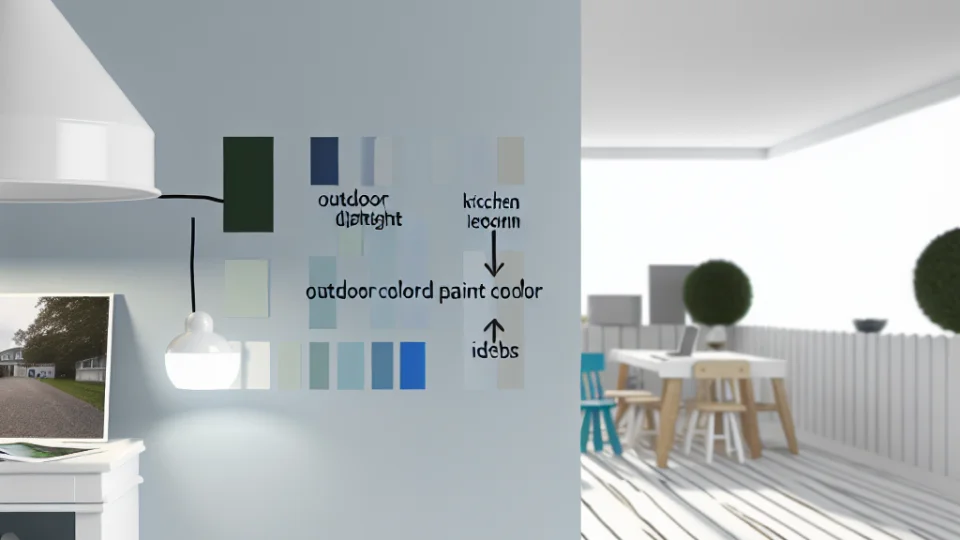
Outdoor lighting is an important element that directly influences the perception of the paint color chosen for a home's exterior. In daylight, natural light reflects the color and tone of the paint in different ways. For instance, light blue shades appear more vibrant in daylight, while the same color may look more subdued in the evening. Therefore, homeowners should consider the lighting conditions at different times of the day when selecting exterior paint. In addition to natural light, outdoor lighting systems are another factor that affects this perception.
Lighting systems can significantly alter the tone and depth of colors used on the home's exterior, especially in the evening. Yellow-toned lighting can make blue or gray paints look warm, while white lights can cause the same colors to appear cooler and more lifeless. In this context, outdoor lighting is a critical element that affects not only aesthetics but also the overall atmosphere of the home. Therefore, the choice of lighting should be compatible with the paint colors.
Another way to understand the impact of outdoor lighting is to examine how different color palettes look under various lighting conditions. For example, warm tones create a more inviting atmosphere at night, while cool tones add a modern and stylish touch. Thus, it is important for homeowners to consider the light sources along with the paint colors they will use on their home's exterior to create a harmonious combination. This will help them achieve a satisfying result in terms of both aesthetics and functionality.
Finally, environmental factors should also be taken into account when choosing outdoor lighting and paint colors. Factors such as local vegetation, the colors of surrounding buildings, and the overall natural light conditions can influence the perception of the chosen paint color. Additionally, a well-designed exterior that harmonizes with outdoor lighting can enhance the visual integrity, making the home's exterior more impressive. Therefore, achieving a balance between lighting and paint color in exterior design is critical for both aesthetics and functionality.
What Are the Exterior Colors That Harmonize with the Environment?
The exterior colors of detached houses are of great importance in terms of harmonizing with the environment. Drawing inspiration from nature's color palette not only enhances the aesthetic appearance of your home but also allows it to blend with the natural elements around it. For instance, shades of green can create a soothing atmosphere by blending in with the trees. In this context, considering the surrounding vegetation and natural elements is a critical factor in choosing the exterior color.
Additionally, neutral colors such as light beige and cream can be an excellent choice for achieving a harmonious look with the environment. These colors reflect natural light and easily integrate with other structures in the vicinity. Especially in rural areas, using light colors can make your home a part of the surrounding nature. Furthermore, such colors attract visitors' attention by creating a sense of warmth and spaciousness.
Moreover, it is also possible to use dark colors depending on the ground and environmental conditions. In areas with dark green landscapes like pine forests, dark gray or anthracite tones can be preferred. These colors provide a modern look while harmonizing with the environment. When choosing an exterior color, it is important to consider not only the environmental conditions but also seasonal changes.
Finally, in addition to environmental factors, the architectural style of the house should also be taken into account. A traditionally built house harmonizes better with natural earth tones. For example, colors like terracotta or warm brown create an aesthetic integrity when combined with natural materials. Thus, your home not only looks beautiful but also exists in perfect harmony with its surroundings.
Which Colors Make Your Home Look Bigger?
The colors you choose for the exterior of your home play a critical role in how the space is perceived. If you want to create the impression of a larger area, you should opt for bright and light colors. Shades like white, cream, and light gray help reflect light, making the space appear more spacious. When used on the exterior of the house, these colors harmonize with the surroundings and generally create a good cohesion with natural landscapes.
Additionally, pastel tones can also help enhance the feeling of spaciousness. Colors like pastel blue or green create a calm atmosphere while contributing to a more airy appearance of the outdoor space. These colors, along with their ability to reflect sunlight, can make your home feel warmer and more inviting. Using such tones on the exterior creates a sense of spaciousness both aesthetically and psychologically.
The use of dark colors for the exterior of the house can generally create a constricting effect on the space. However, using the right combinations of these colors can give you a stylish look. For example, shades like dark blue or anthracite gray, when paired with lighter colors, create a sense of depth while also offering a modern appearance. Such combinations can add a sophisticated touch to your home.
Finally, another important factor to consider when choosing exterior colors is their harmony with the surrounding natural elements. In a home situated in nature, light earth tones can also be preferred. Colors like light beige or soft brown can blend with the surrounding trees and green areas, making your home appear larger and more cohesive. These colors not only add a natural look to your home but also create a spacious atmosphere.
How to Increase the Durability of Exterior Paint Colors?
To enhance the durability of exterior paint colors, it is essential to use quality materials. High-quality exterior paints are more resistant to weather conditions, UV rays, and factors like moisture. When selecting paint, opting for durable options such as water-based or acrylic paints ensures a long-lasting finish. Additionally, these types of paints stand out for their eco-friendly properties. A quality paint not only provides an aesthetic appearance but also protects the exterior, reducing the need for maintenance.
The durability of exterior paint can also be improved with proper surface preparation. Before applying paint, the surface must be clean, dry, and smooth. Cracks, stains, or blisters on the surface should be addressed. Otherwise, these issues will become visible after the paint application and may lead to peeling over time. A smooth surface allows for better adhesion of the paint and increases its resistance to external factors.
Using correct techniques during the paint application also enhances durability. When applying with a brush or roller, it is important to move in a single direction and in a consistent manner. Allowing sufficient time between layers ensures that each coat dries completely. Additionally, considering weather conditions when applying outdoors contributes to better drying and durability of the paint. Especially, painting should be avoided on windy or rainy days.
What Are the Trends in Choosing Exterior Colors for Detached Houses?
Detached houses not only provide an aesthetic contribution to their surroundings with their exterior colors but also reflect the personal tastes of their owners. As of 2023, nature's tones are at the forefront; colors like green, beige, and brown are frequently preferred by homeowners as natural color palettes. These colors create a harmonious environment and a calm atmosphere. Especially when combined with natural stones, they add a rustic touch to the exterior and enhance the character of the house.
In addition, bolder colors have also become popular for those embracing modern design concepts. Vibrant colors like blue, orange, and yellow are ideal choices for those looking to achieve a striking appearance on the exterior of their homes as dynamic colors. These colors are especially favored among families who adopt a young and energetic lifestyle. However, it is important to consider environmental factors when making such bold choices.
In recent years, pastel tones have also drawn attention in exterior color selection. Soft colors like light blue, lavender, and pale pink add an elegant touch to the exterior of the house while also creating a soothing atmosphere. These colors are particularly preferred in rural areas or places intertwined with nature, harmonizing with the natural beauty of the home. Pastel tones also blend perfectly with modern architectures that embrace a futuristic design approach.
Minimalist approaches have recently gained popularity in exterior design. Simple colors like white and gray ensure that the house looks modern and stylish while offering a clean aesthetic. These colors are compatible with different architectural styles and can be combined with various textures and materials to create creative exterior designs. The use of simple colors on the exterior highlights the uniqueness of the house while also presenting a timeless style.
What Are the Psychological Effects to Consider in Color Selection?
Choosing the color of exterior paint is not just an aesthetic preference; it is also an important element that defines the spirit and atmosphere of the home. It is known that colors have deep effects on human psychology. For example, shades of blue generally create a sense of peace and tranquility, while shades of yellow provide an energetic and lively environment. Therefore, homeowners should consider the psychological effects of these colors when selecting exterior colors. The impact of the chosen colors on both the living spaces inside the home and how they appear from the outside is quite significant.
The psychological effects of colors can directly influence people's moods and behaviors. Warm tones like red evoke feelings of excitement and passion, while shades of green strengthen the connection to nature and create a relaxing atmosphere. Homeowners should also take into account the interactions between these colors. For instance, a vibrant color used on the exterior of a house may disrupt visual harmony when combined with the colors of neighboring houses. Therefore, care should be taken to ensure that the choice of exterior color is in harmony with other structures in the vicinity.
When selecting exterior colors, it is also important to evaluate the emotional effects of colors. The impact of colors on people's moods can be shaped not only by personal preferences but also by cultural and social factors. For example, while the color white symbolizes purity in some cultures, it may represent mourning and grief in others. Therefore, homeowners should make their choices considering their own cultural contexts and the color perceptions of the surrounding community. Additionally, how the colors on the exterior of the house will respond to seasonal changes is also an important factor.