What Colors Are Most Suitable for a Children's Room?
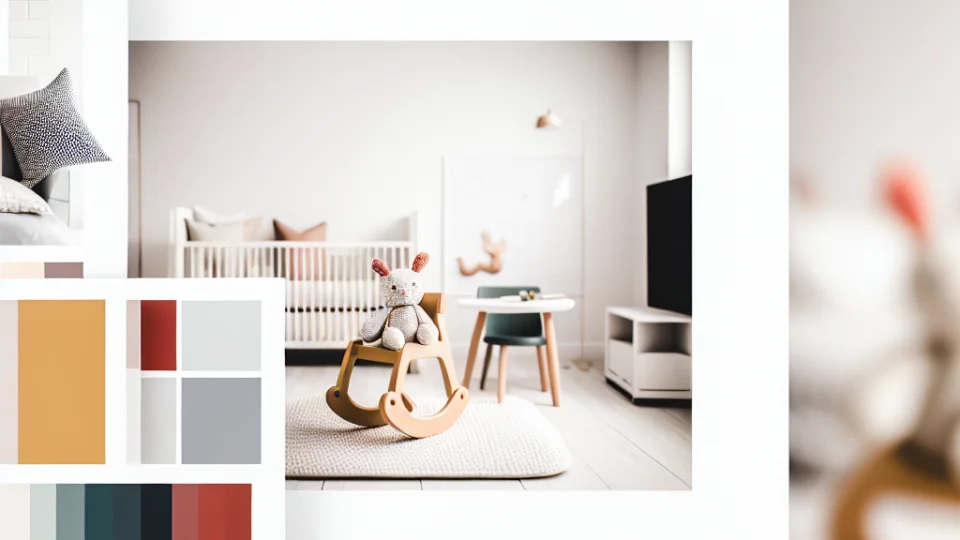
In children's room design, color selection has a significant impact on mood and development. The role of colors in children's emotional and psychological development is particularly important. It is known that colors have a supportive effect on children's imagination and creativity. Furthermore, the colors used in children's rooms are expected to be vibrant and fun. While pastel tones are often preferred, energetic and bright colors can also capture children's attention.
One of the recommended colors for children's rooms is blue. Blue has a calming effect, which can help children sleep in a more peaceful environment. Additionally, the color blue supports cognitive development and allows for better focus during activities in the room. Moreover, blue tones easily adapt to different decoration styles and can continue to appeal to children as they grow.
Another suitable color option is green. Green is the color of nature and strengthens children's connection to the outside world. This color creates a sense of peace and balance in the room while also being effective in enhancing creativity. Light green tones, especially in the summer months, provide a refreshing feeling, allowing children to play in a more enjoyable environment. Green also ensures that the room looks bright and energetic.
Finally, pink and yellow are also ideal choices for a children's room. Pink creates a sense of love and affection, especially for little girls, while yellow brings happiness and energy. Yellow also stands out as a striking element in the learning process. However, it should be noted that yellow tones should be used without excess, as overly bright yellow shades can create restlessness in children. With the right color combinations, a children's room can be made more fun.
What Are the Effects of Colors on Child Psychology?
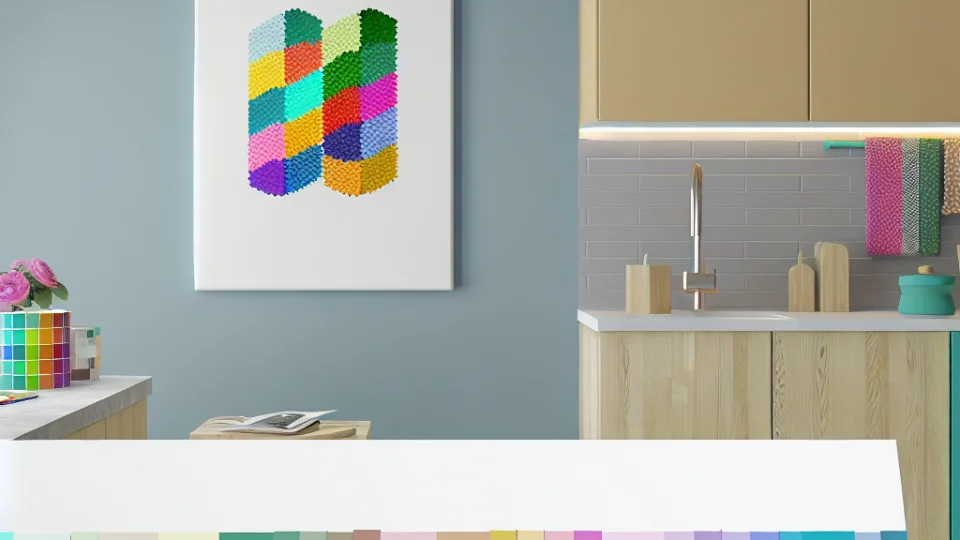
Colors play an important role in the psychological development of children. Especially in special areas like children's rooms, the colors used have significant effects on children's mood, creativity, and overall behavior. For example, warm-toned colors can evoke feelings of happiness and energy in children, while cool tones can create a calming atmosphere. Therefore, choosing the right colors in the design of a child's room is crucial for the child's psychological well-being.
Research conducted to understand the effects of colors during children's developmental processes shows that certain colors lead to specific emotional responses. For instance, the color red increases energy, but excessive use can encourage aggressive behaviors. On the other hand, shades of blue provide a sense of peace and tranquility, while green strengthens the connection with nature. Thus, using colors in a balanced way in children's room design can positively influence the child's psychological state.
- Warm colors (red, orange, yellow) provide energy and happiness.
- Cool colors (blue, green, purple) create peace and calm.
- Excessively bright colors can be distracting and increase aggressive behaviors.
- Pastel tones provide a softer atmosphere.
In addition to colors, wall decorations and furniture choices are also important during the design of a child's room. For example, pastel tones used on the walls support children's imagination while making the room appear larger and more spacious. Additionally, themes created with color combinations allow children to express themselves better in their rooms. Considering the psychological effects of colors, making the right choices is a critical factor for children's healthy development.
What Are Soothing Colors?
Soothing colors are ideal choices for creating peace and tranquility in a child's room. Particularly, these colors affect children's sleep patterns and also define the overall atmosphere of the room. Shades like blue, green, and lavender are easy on the eyes and have a calming effect on the mind. Choosing these colors facilitates children's process of falling asleep while also supporting their creativity. Therefore, it is possible to create a comfortable environment in children's rooms by using these colors.
The color blue represents calmness and peace. Shades of blue, especially light blue and sky blue, relax children's minds and reduce stress levels. This color also creates a peaceful environment in the child's room. By using blue in your child's room, you can help them achieve deeper and better quality sleep. Additionally, using white or gray tones alongside blue makes the room appear more spacious.
Shades of green symbolize the tranquility of nature and refresh children's minds. Light green or pastel green tones create a refreshing atmosphere in a child's room while strengthening the connection with nature. This color helps children maintain a healthier state of mind. Furthermore, the enchanting nature of green can enhance children's imagination. Using wood and natural textures alongside green will add warmth to the room.
Lavender, as a soft tone of purple, creates a calming effect in a child's room. This color facilitates the process of falling asleep while also enhancing the aesthetic appearance of the room. Lavender shades are particularly a popular choice for girls' rooms. This color can change the overall ambiance of the room and create a romantic atmosphere. Additionally, combining lavender with white or cream tones makes the room even brighter.
How to Choose Invigorating Colors?
Choosing invigorating colors in children's room design positively affects children's mood and enlivens the overall atmosphere of the room. For instance, warm tones like yellow and orange can be sources of energy and joy. It is known that these colors enhance children's creativity and contribute to their learning processes. However, excessive use of these colors can be straining on the eyes. Therefore, using invigorating colors in a balanced way will make the overall appearance of the room more harmonious.
When selecting invigorating colors, it is important to consider how different shades and combinations create effects. For example, a combination of light blue and yellow creates a soothing atmosphere, while green and pink provide a vibrant look. The shades of colors can also vary depending on the size of the room and the amount of light it receives. Therefore, careful consideration should be given to the selection of colors based on the room's lighting conditions.
- Yellow: Source of energy and joy
- Orange: Enhances creativity
- Green: Symbolizes nature and tranquility
- Light blue: Creates a relaxing atmosphere
Additionally, it is important that the elements using invigorating colors are compatible with the overall design of the room. When creating a color palette, it is necessary to ensure cohesion with wall colors, furniture, and accessories. For example, while painting the walls in a light color, more vibrant colors can be chosen for the furniture. This way, the energy of the room can be enhanced, allowing children to feel better.
Color Combination Suggestions for Children's Rooms
When choosing color combinations for children's room design, it is extremely important to consider the atmosphere of the space and the child's mood. For example, shades of blue and green create a calming effect, while yellow and orange tones can add energy and joy. Therefore, the colors used in the room should align with the child's daily activities and emotional state. Additionally, the harmony of colors contributes to the overall design of the room while also positively impacting the child's development.
Another effective color combination is the use of pastel tones. Pastel colors create a soft atmosphere in a child's room while providing a non-straining environment. For instance, colors like pastel pink and mint green offer a charming appearance and support the child in feeling comfortable. Such combinations enhance the warmth of the room and help the child feel secure.
Moreover, bolder and more vibrant color combinations can also be preferred. For example, lively tones like orange and purple encourage creativity in a child's room and stimulate the child's imagination. These colors can help children be more active while playing or learning. However, it is important to use these colors in a balanced way; avoiding excess helps maintain a peaceful environment in the room.
- Blue and green: Ideal for a calming atmosphere.
- Pastel tones: Provide a soft look and a warm environment.
- Orange and purple: Enhance creativity and add an energetic vibe.
- Yellow and white: Create a spacious area and add joy.
In conclusion, when selecting color combinations for children's rooms, the child's needs and psychological effects should be taken into account. Harmoniously bringing colors together not only enhances the overall aesthetics of the room but also creates positive effects on the child's development. Therefore, choosing the right color combinations from both aesthetic and functional perspectives is crucial in children's room design.
Points to Consider When Choosing Colors
Designing a child's room plays a significant role not only aesthetically but also in the development of children. Colors have a considerable impact on children's moods and behaviors. Therefore, one of the most important points to consider in color selection is the psychological effects that the chosen colors will have on the child. For example, warm colors can increase energy, while cool colors may provide a sense of calm. This can vary depending on the activities the child will engage in within their room.
Additionally, the shades and combinations of colors should also be taken into account. Light shades generally make a space appear larger, while dark shades create a cozier atmosphere. It is also crucial that the colors used in the child's room are determined according to the child's age and personal preferences. Bright and vibrant colors are preferred for younger children, while older children may favor more pastel tones or neutral colors. This allows them to express their individuality.
When choosing colors, lighting conditions should also be considered. Natural light and artificial lighting can alter the perception of colors in the room. For instance, a color may appear more vibrant under natural light, while it can become duller under artificial light. Therefore, the room's location and light sources should be taken into account when selecting colors. Additionally, the colors should harmonize with the overall decor of the room.
Finally, it should be remembered that colors can change over time. As children grow, their tastes and preferences will also evolve. Therefore, instead of painting the walls, it may be wise to create a more flexible design using colorful accessories and furniture. This way, when the child grows, they can easily update the colors in their room, creating an environment that meets their ever-changing needs.
Trends and Suggestions in Children's Room Colors
Color choices in children's room design are of great importance both aesthetically and psychologically. In recent years, a trend has been observed where pastel tones are prominent. This color palette helps children grow in a more peaceful environment while also making the room look bright and spacious. Light blue, green, and pink shades are particularly popular choices in children's room design. These colors not only encourage children's imagination but also positively influence the overall atmosphere of the room.
Additionally, the use of bold and vibrant colors in children's rooms is on the rise. Colors like red, orange, and yellow enhance children's energy and contribute to their creative thinking. However, it is important to use these colors carefully, as excessive use can make the room feel chaotic and uncomfortable. When creating color combinations, balancing these vibrant colors with more neutral tones helps the room appear more harmonious.
Natural tones also hold significant importance among color trends. Colors that highlight materials like wood and natural stone create a warm and inviting atmosphere in children's rooms. Especially green and beige tones foster a living space intertwined with nature, reinforcing children's love for the outdoors. Such colors also positively contribute to children's mental development and provide them with a sense of peace.
Finally, the individual preferences of the child should also be considered in color selection. The colors that children love make their personal spaces feel more special and allow them to express themselves. Therefore, choosing colors together with children helps them feel better about themselves. In this process, by experimenting with different shades and combinations, you can create an environment that suits your child's taste.