What is Minimalist Home Office Design?
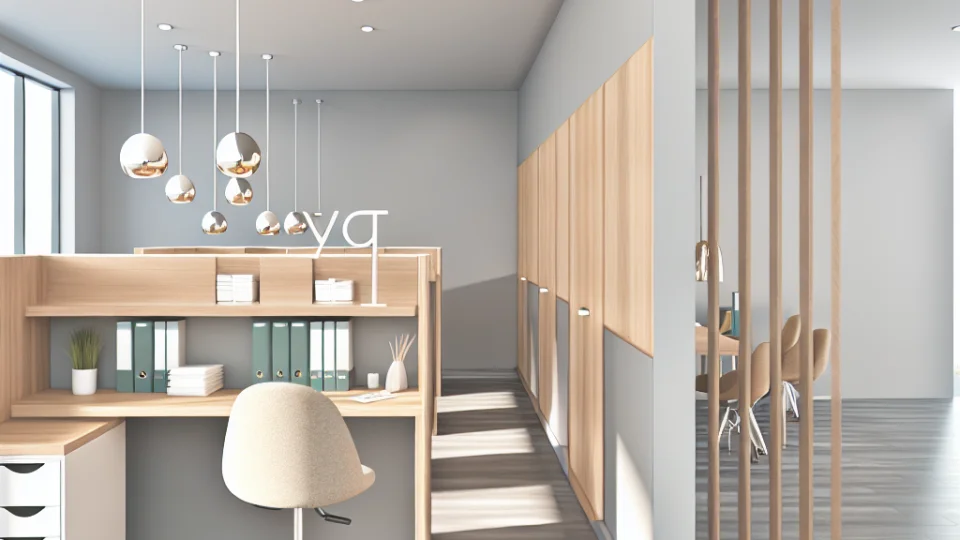
Minimalist home office design aims to create a space stripped of unnecessary elements while prioritizing functionality and aesthetics. This design philosophy focuses on creating an airy atmosphere with simple lines and a limited number of furniture pieces. By minimizing distractions in the workspace, it enhances productivity. One of the fundamental principles of minimalism is the philosophy of 'less is more'; this means avoiding unnecessary details and focusing only on the elements that are truly needed.
In this style of design, neutral color palettes are typically preferred. White, gray, and beige tones are commonly used colors in minimalist home offices. These colors help the space appear larger and more open. Additionally, it is recommended to incorporate large windows to maximize the use of natural light. This way, the home office becomes both a bright and vibrant environment. Natural light enhances concentration while also positively affecting mood.
In minimalist home office design, the selection of furniture is also of great importance. Multi-functional furniture is often preferred, allowing for efficient use of space. For example, foldable tables or shelving systems provide advantages in both functionality and space utilization. Furthermore, storage solutions are necessary to create an organized workspace. Hidden storage areas prevent clutter, ensuring the room looks tidy and thereby increasing work motivation.
How Ergonomic Furniture Increases Work Efficiency?
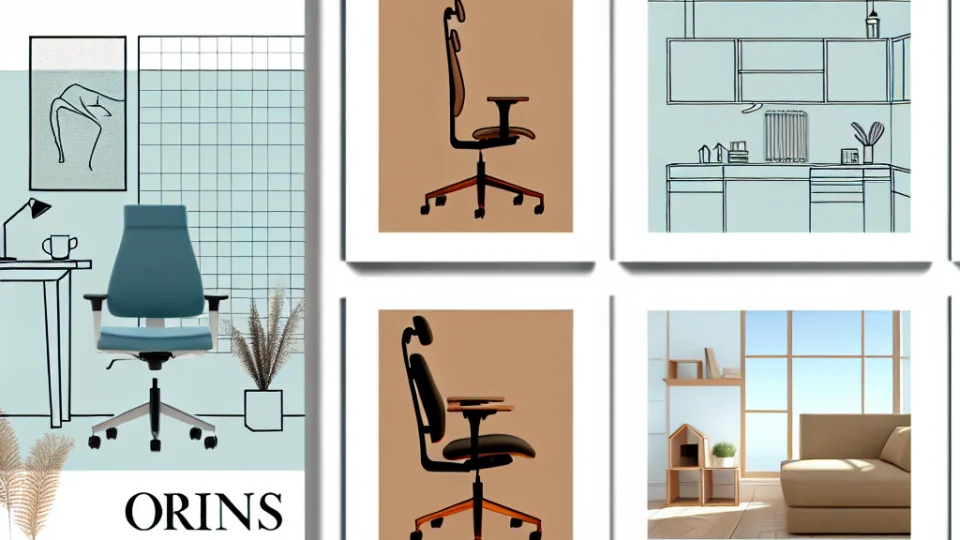
Ergonomic furniture plays a critical role in enhancing productivity in the workspace. Such furniture supports the body's natural posture, minimizing discomfort that may arise throughout the day. For example, adjustable-height desks can be tailored to the user's needs, thereby preventing annoying pains. Working for long hours while sitting can lead to back and neck pain; however, ergonomic designs help minimize these issues.
Additionally, ergonomic chairs and desks enhance comfort in the work environment, reducing distractions. Moreover, the design of such furniture helps users achieve better focus. For instance, back supports and chair heights ensure individuals sit in the correct position, which in turn boosts overall productivity. Ergonomic furniture is beneficial not only for physical health but also for mental well-being.
Another advantage of ergonomic furniture is that it increases motivation in the workspace. Users tend to be more productive when working in a comfortable environment. The quality of time spent at work is directly related to the quality of the furniture used. Ergonomic designs enable users to enhance their productivity and perform their tasks more effectively. Therefore, prioritizing ergonomic furniture in workspace design is crucial.
What is the Impact of Lighting on the Home Office?
Lighting plays a critical role in the design of a home office. The right lighting stands out as an element that increases productivity. Insufficient light in the workspace can lead to eye strain and distraction. Therefore, the quality and direction of lighting can directly affect work performance. Utilizing natural light sources can improve the overall atmosphere in the home office without creating disturbing shadows. Additionally, a good lighting plan enhances the overall aesthetics of the workspace, creating a more motivational environment.
Using layered lighting in the home office provides benefits both functionally and aesthetically. General lighting illuminates the entire room, while task lighting targets specific areas. For example, desk lamps or spotlights help improve the visibility of the workspace. This layered approach also offers appropriate lighting levels for different activities, allowing users to make adjustments according to their needs. Furthermore, variations in lighting levels in the room can also affect mood.
Color temperature is an important aspect of lighting and should be considered in the home office. Cool white light enhances focus, while warm light provides a more relaxing atmosphere. The color temperature of the lighting used in the home office can influence users' psychological states. For instance, cool lights encourage creative thinking, while warm lights are ideal for rest and relaxation. Therefore, a balanced use of both cool and warm lighting options in the home office creates an effect that enhances productivity.
To maximize the impact of lighting on the home office, individual user preferences should also be taken into account. Everyone's eye structure and perception of light are different, making it important to develop personalized lighting solutions. Additionally, the energy efficiency of lighting systems should be considered. Energy-saving lighting options, such as LED bulbs, are both environmentally friendly and reduce costs in the long run. In conclusion, the right lighting is a crucial element that increases productivity and provides comfort in the home office.
What is the Importance of Being Organized in Your Workspace?
An organized workspace is extremely important for increasing productivity. Clutter in your work area can negatively affect you mentally and make it difficult to focus. A messy desk can scatter your thoughts and decrease your work efficiency. Therefore, it is essential not to overlook the benefits of being organized in your workspace. A tidy environment encourages you to develop a better working routine both mentally and physically.
Maintaining order in your workspace involves not only arranging physical objects but also organizing your digital files. Digital organization allows you to quickly find your documents and projects. This prevents time loss and speeds up your workflow. Additionally, creating an organized workspace provides a more peaceful working environment by reducing your stress levels. This situation directly impacts your work efficiency.
An organized workspace can boost your motivation. By keeping your work area clean and tidy, you can put yourself in a more positive mindset. For individuals engaged in creative work, organization can be a source of inspiration. Moreover, the order in your workspace allows you to project a professional image. A tidy area during meetings with clients or colleagues enhances your credibility and strengthens your business relationships.
How to Design a Home Office with Natural Elements?
Incorporating natural elements into your home office provides significant advantages both aesthetically and psychologically. Natural materials add warmth and intimacy to the space, enhancing work motivation. For instance, using wooden furniture and accessories made from natural stones softens the room's atmosphere. These materials also strengthen your connection to nature and reduce your stress levels. The use of natural elements not only offers visual satisfaction but also lays the foundation for a healthy work environment, thereby increasing productivity.
When using natural elements, lighting also plays an important role. Maximizing sunlight not only saves energy but also creates a natural atmosphere. Plants placed in front of windows serve as both a decorative element and improve air quality. A plant positioned next to the desk reinforces the room's naturalness while also reducing mental fatigue. Therefore, combining natural lighting and plants in the home office is key to creating a healthy work environment.
Additionally, attention should be paid to the color palette when using natural elements. Earth tones, greens, and blues—colors inspired by nature—provide tranquility in the workspace while enhancing concentration. When these colors are combined with natural materials, they create a harmonious balance in the space. Considering the psychological effects of colors, choosing such tones increases the productivity of the home office. Alongside colors, natural textures add depth to the space, making it more engaging.
In conclusion, when designing a home office with natural elements, careful consideration should be given to both material selection and decorative elements. Using natural materials and plants brings peace to the space while creating an environment that enhances productivity. Furthermore, with the use of natural lighting and an appropriate color palette, the design of the home office becomes more effective. By bringing these elements together, you will not only create an aesthetically pleasing area but also establish an efficient work environment.
How to Integrate Technological Devices into the Workspace?
Today's workspaces are becoming more efficient with the possibilities offered by technology. Smartphones, tablets, and laptops are facilitating and accelerating the work process. Effectively integrating these devices in the workspace not only increases productivity but also provides great convenience in terms of communication and organization. For example, working with a smart desk lamp can automate light settings, helping to prevent eye strain.
The integration of technological devices can start with using a smart assistant in the workspace. These types of devices can perform many tasks with voice commands. They are ideal for managing meetings, setting reminders, and even organizing the work calendar. This way, the time and effort required to keep your workflow organized are reduced. Additionally, thanks to smart assistants, it becomes possible to increase productivity even in remote working conditions.
Another important technological product that can be used in the workspace is smart screens. These screens are excellent tools for collaboration and presentations. Screen sharing, instant document updates, and viewing enhance interaction with team members. Especially for remote teams, these types of devices play a significant role in improving communication and productivity. Thus, better collaboration among team members is achieved.
Finally, using wireless connectivity systems in the workspace is also of great importance. Wireless network systems facilitate the integration of devices with each other, preventing cable clutter. In addition to creating a more organized working environment, they enhance internet connection speed, providing a seamless experience during online meetings and presentations. Such technological solutions contribute to the modernization of the workspace, ensuring a more efficient work experience.
How Should Color Selection Be in the Study Room?
In the study room, color selection is crucial for enhancing productivity and shaping the overall atmosphere of the room. Colors have a profound impact on human psychology. For instance, shades of blue create a calming effect, while green reflects the tranquility of nature. Therefore, when determining which colors to use in your study room, you should consider not only your personal preferences but also the effects these colors have on you. The right color combinations can boost concentration and provide a more creative environment.
Additionally, it is important to consider the interaction of lighting with colors in the study room. Natural light makes colors appear more vibrant, while artificial lighting can sometimes alter the perception of colors. Thus, you should choose your colors according to the lighting arrangement of the room. Moreover, maintaining a balance between the shades of colors reduces eye strain and creates a more spacious feeling in the work environment. The harmony of lighting and color are significant elements that affect the overall atmosphere of the study room.
Finally, besides wall colors in the study room, the colors of furniture and accessories are also important. If you choose light shades for your walls, you can create contrast by using more vibrant colors for your furniture. This makes the room visually more appealing. Additionally, creating a harmonious color palette when selecting your accessories helps your workspace look more aesthetically pleasing. The combination of colors defines the spirit of your study room and should be considered carefully.